


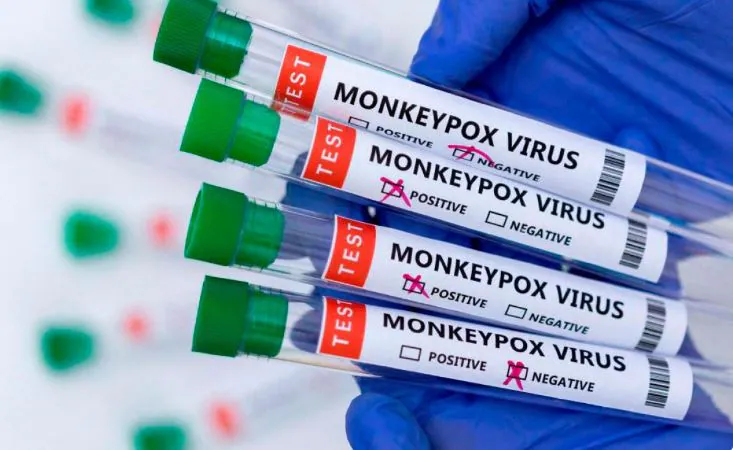
The global fight against mpox intensified in October as the World Health Organization (WHO) confirmed 2,501 new cases and 12 deaths across 44 countries. The latest report shows that all clades of the mpox virus (MPXV) continue to spread, which raises concerns about persistent community transmission if countries delay containment measures.
Africa Records the Sharpest Rise
Africa witnessed the largest spike in cases. Twenty-one countries reported active mpox transmission in the last six weeks and logged 1,734 infections and 10 deaths.
Moreover, the Democratic Republic of Congo, Liberia, Ghana, Kenya, and Uganda reported the highest numbers, while Mali detected mpox for the first time, marking a significant development in the region.
Travel-Related Cases Spread Across Multiple Regions
The virus also moved across borders. Travelers carried clade Ib MPXV into Belgium, Germany, Greece, and the United Kingdom.
Between September 5 and November 24, six WHO regions reported 43 clade Ib cases.
However, 24 patients had no recent international travel, which clearly shows growing local transmission in:
- Italy
- Malaysia
- Netherlands
- Portugal
- Spain
- United States
Groups Facing Higher Risk
Among the 43 cases, 22 involved men who have sex with men, while the remaining infections linked back to travel or close contact with infected individuals.
Even so, WHO states that the general public faces a low risk, whereas the risk remains moderate for individuals with multiple or new sexual partners.
Understanding Mpox
Mpox, previously known as monkeypox, spreads mainly through direct, skin-to-skin contact. Common symptoms include:
- Fever
- Swollen lymph nodes
- Muscle aches
- Sore throat
- Rash
Global Call for Vigilance
As mpox cases rise again, WHO urges all countries to strengthen surveillance, boost public awareness, and encourage early testing. With timely action, global health systems can stop another wave before it expands further.