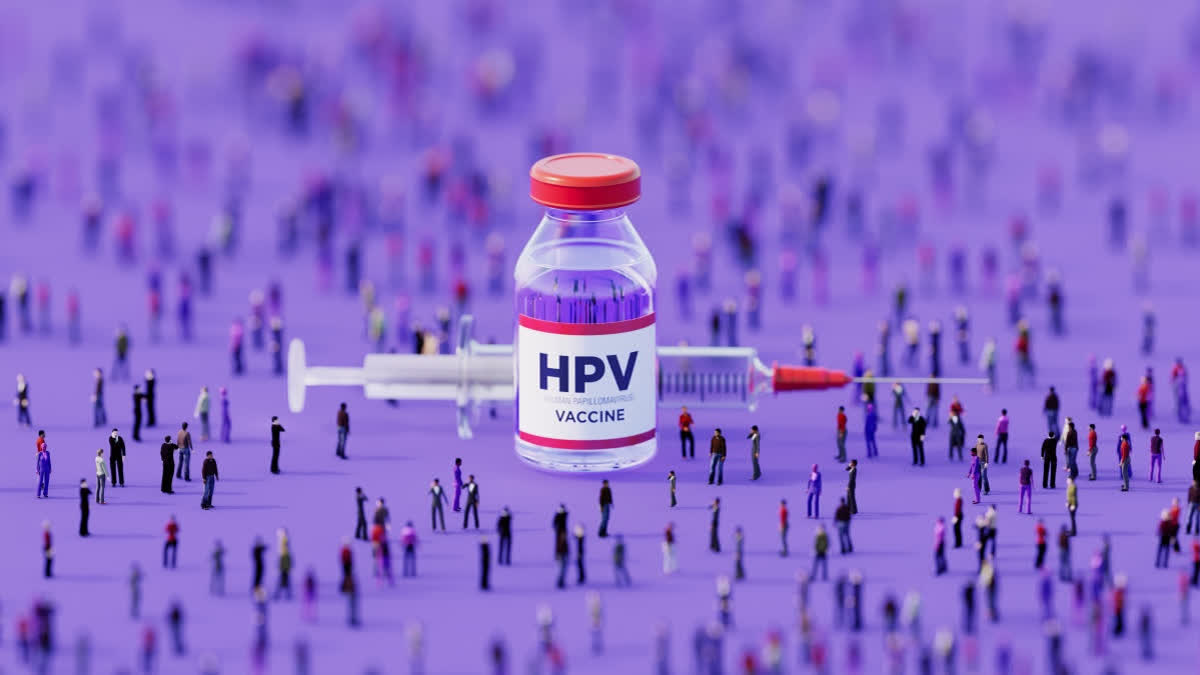
The central government is preparing to launch a nationwide free HPV vaccination program to prevent cervical cancer among girls. This major public health step aims to reduce cancer cases through early protection. Officials plan to roll out the program across government health centres soon.
Who Will Receive the Vaccine?
The program will target girls aged 14 years and above. The government will provide the Gardasil vaccine free of cost. Moreover, the vaccination will remain voluntary under the national immunisation initiative.
The vaccine protects against four types of Human Papillomavirus (HPV) — types 16, 18, 6, and 11. These virus types cause most cervical cancer cases worldwide. Therefore, early vaccination can significantly lower long-term health risks.
Dosage and Scientific Evidence
At present, the Gardasil-4 vaccine in the private market costs around ₹3,927 per dose. Girls under 15 need two doses. Those above 15 require three doses under the current schedule.
However, recent domestic and international research shows encouraging results. Studies suggest that even a single dose can provide long-term protection against HPV infections. As a result, health experts are reviewing simplified dosage options to improve coverage and access.
Global Success of HPV Vaccination
Many countries have already implemented similar programs. In fact, 160 countries currently offer HPV vaccination. Among them, 90 countries follow a single-dose regimen. Since 2006, health systems worldwide have administered nearly 500 million doses. Consequently, several nations have reported a sharp decline in cervical cancer rates.
Cancer Burden in India
India faces a growing cancer challenge. The country ranks third globally in total cancer cases, after China and the United States. Currently, India has around 1.5 million cancer patients out of 20 million worldwide.
Furthermore, experts warn that annual cancer cases in India may rise to 2 million by 2040. Cervical cancer remains one of the most common cancers among Indian women. Therefore, preventive strategies like HPV vaccination are becoming increasingly important.
A Preventive Step for the Future
Through this free vaccination program, the government aims to protect millions of young girls before they face health risks. By investing in prevention today, authorities hope to reduce cancer cases tomorrow. In the long run, this initiative could save lives, lower treatment costs, and strengthen India’s public health system.
For the latest updates, click here.