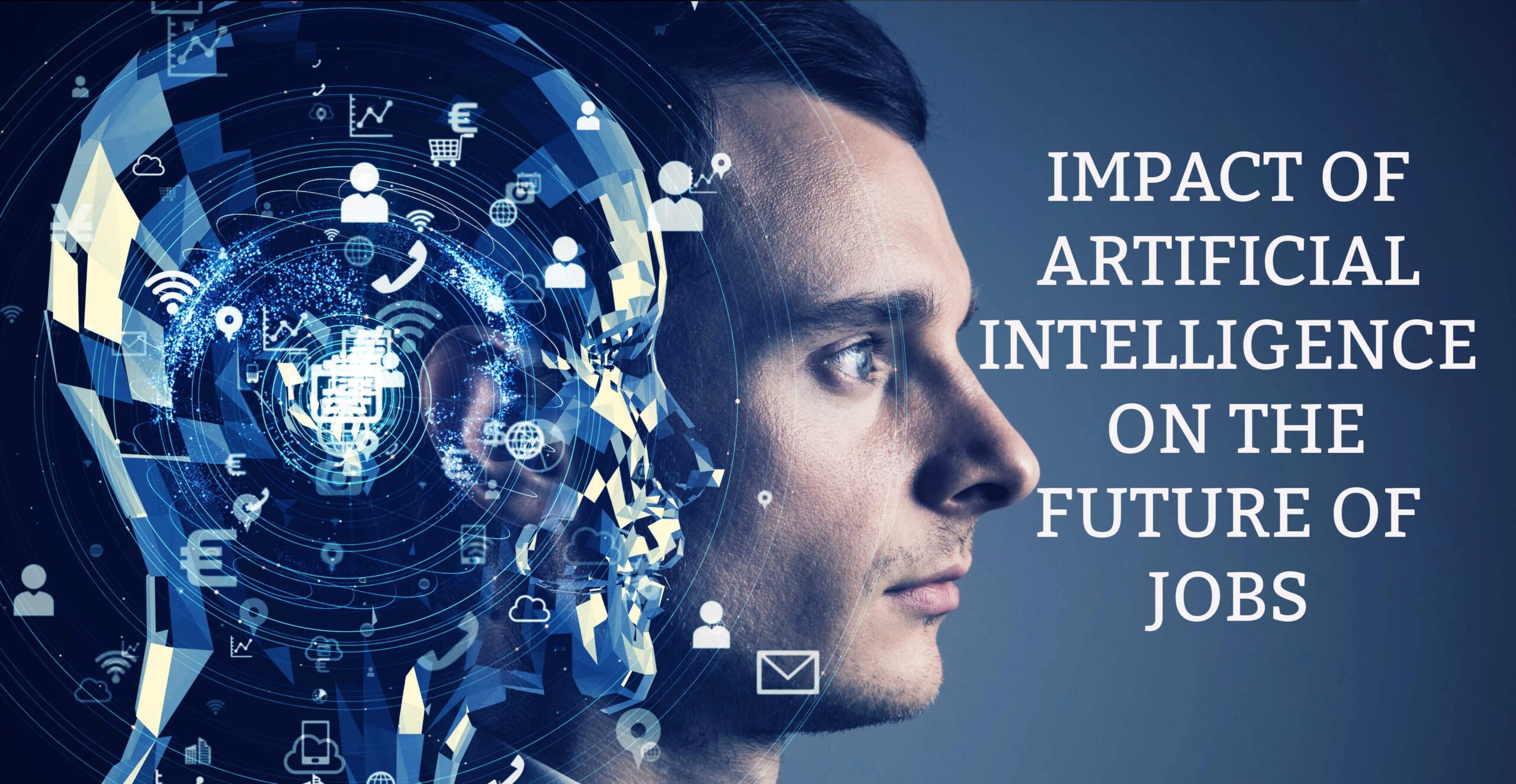
Artificial Intelligence is rapidly reshaping the global job market. While AI and automation are replacing some routine roles, they are simultaneously creating new career paths that demand advanced thinking and digital adaptability.
Today, organisations are hiring climate risk analysts, digital consultants, and AI-savvy HR professionals. This shift shows that technology is not simply eliminating jobs; it is transforming them.
AI Is Rewriting the Rules of Programming
In programming, AI tools can now generate routine code in seconds. However, this has not reduced the importance of developers. Instead, it has increased the demand for professionals who can solve complex problems, design scalable systems, and think strategically.
Writing syntax is no longer enough. Employers now seek individuals who understand architecture, logic, and system design.
As a result, coding is evolving from a technical niche into a fundamental skill.
Why Coding Is Becoming a Basic Life Skill
Basic coding is increasingly viewed as an essential life skill. It strengthens logical thinking, improves structured problem-solving, and enables individuals to use AI tools effectively regardless of their profession.
Whether someone works in finance, healthcare, agriculture, or the arts, understanding how technology works provides a competitive advantage.
In the AI era, digital literacy is no longer optional.
Strategic Roadmap for Students
To thrive in this changing environment, students must adopt a structured and forward-looking approach.
Early College (Years 1–2): Build a Strong Foundation
During the first two years of college, students should focus on building core digital skills. Online learning platforms such as Coursera and edX offer accessible courses in data analytics, AI fundamentals, and emerging technologies.
At this stage, the goal is to understand concepts rather than chase certificates.
Late College (Years 3–4): Apply Knowledge Practically
In the final years, students should transition from theory to real-world application. Internships, live industry projects, and freelance assignments are crucial.
Most importantly, students should build a “portfolio of proof”, a collection of tangible work that demonstrates real skills. Employers increasingly value demonstrated ability over academic scores.
Stream-Specific Skills for Career Success
Different academic backgrounds require tailored skill development strategies.
Commerce / MBA Students
They should master tools like Excel, Power BI, and fintech platforms. Financial data interpretation and digital reporting skills are becoming mandatory in modern business roles.
Arts Students
Students in the arts should focus on digital content creation, UX research, and data-driven storytelling. Creative fields now demand analytical insight alongside artistic ability.
Agriculture Students
Knowledge of Agri-tech, smart irrigation systems, and precision farming technologies is essential. Technology is transforming traditional farming into a data-driven industry.
Medical Students
Future healthcare professionals should explore health informatics, telemedicine platforms, and public health data analysis to remain relevant in digital healthcare systems.
High-Growth Sectors Offering Massive Opportunities
Several industries are witnessing rapid expansion due to technological advancement:
Sustainability: Renewable energy and electric vehicles are creating new engineering and policy roles.
HealthTech: Telemedicine and digital diagnostics are transforming healthcare delivery.
Digital Infrastructure: Cybersecurity and cloud computing remain critical as businesses move online.
In India, Global Capability Centres (GCCs) are expanding operations and hiring professionals in digital marketing, finance, and data analytics.
The Mindset That Defines Long-Term Success
Technical knowledge alone is not enough. The modern workplace demands adaptability.
Professionals must embrace the mindset of “Learn, Unlearn, and Relearn.” Technology evolves quickly, and those who continuously upgrade their skills remain competitive.
Equally important are soft skills. Communication ability, collaboration, emotional intelligence, and mental resilience are key factors in reaching senior corporate positions.