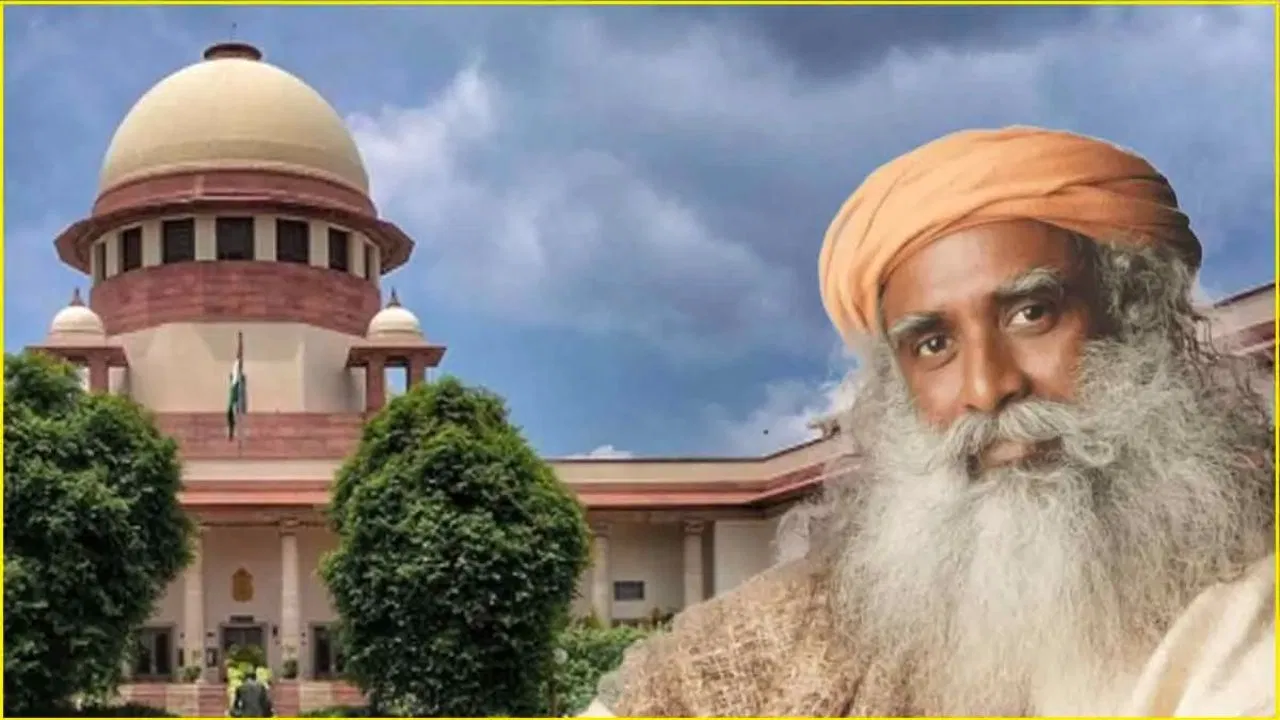
The crematorium services operated by the Isha Foundation at the Isha Yoga Centre in Coimbatore have received praise from the Supreme Court of India. The Chief Justice described the initiative as a “dharmic” or righteous service that benefits society.
Court Suggests Mediation in Land Dispute
The court heard a petition filed against the construction of the crematorium. During the proceedings, judges noted that the petitioner had already sold part of his land to Isha. Therefore, the bench encouraged both sides to resolve the dispute over adjacent land through amicable discussions.
To facilitate a fair resolution, the court appointed retired Madras High Court judge Justice Rajendran as mediator. Both parties agreed to this proposal. The court emphasised dialogue over prolonged litigation.
Legal Clearances and Public Interest
Earlier, the Madras High Court had dismissed the case, citing a lack of legal evidence from the petitioner. The court confirmed that authorities constructed the gas crematorium after securing proper panchayat approvals and following guidelines issued by the Tamil Nadu Pollution Control Board. Judges concluded that such facilities serve the larger public interest.
“Dignity in Death” Initiative
Since 2010, Isha Foundation has operated nearly 30 crematoriums across Tamil Nadu. These facilities function in cities such as Chennai’s Besant Nagar, Coimbatore, Neyveli, and Vellore. The initiative runs under the mission “Dignity in Death,” which focuses on providing clean, peaceful, and park-like environments for final rites.
The organisation has designed these crematoriums with green surroundings and modern infrastructure. As a result, families can perform last rites in a calm and respectful atmosphere.
Free Services for Economically Weaker Families
In collaboration with the Tamil Nadu government, Isha recently introduced a scheme to offer free cremation services to families living below the poverty line. This step ensures that financial hardship does not prevent families from conducting dignified final rites.
Overall, the Supreme Court’s appreciation highlights the social impact of the initiative. At the same time, the ongoing mediation reflects the judiciary’s effort to balance legal concerns with community welfare.
For the latest updates, click here.