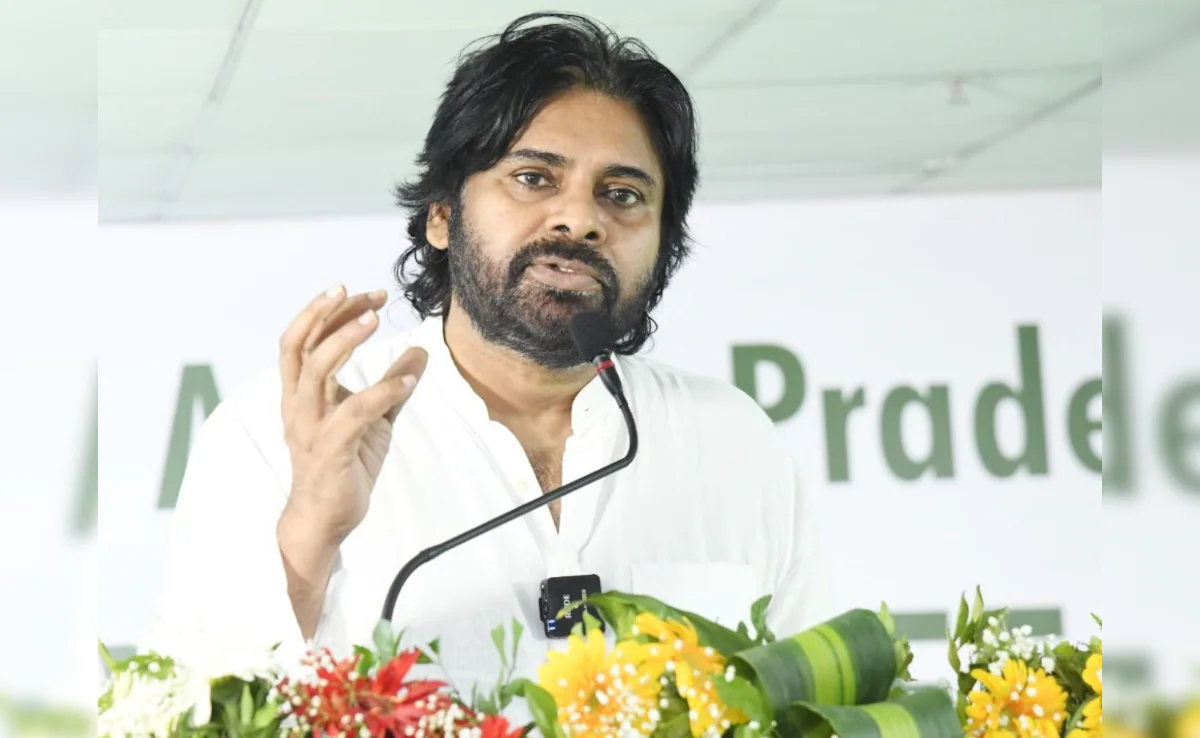
The Delhi High Court has stepped in to protect the personality and publicity rights of actor and Andhra Pradesh Deputy Chief Minister Pawan Kalyan. The court barred several online marketplaces, AI platforms, websites and unknown entities from using his name, image, voice or likeness for commercial gain.
Interim Injunction Granted
Justice Manmeet Pritam Singh Arora passed an ad-interim order after hearing a suit filed by Pawan Kalyan. He sought protection from the misuse of his identity through fake merchandise, impersonation, AI-generated content and deepfakes. The court noted that Kalyan has built strong brand value over nearly three decades in cinema and public life.
Unauthorised Commercial Use
Pawan Kalyan informed the court that several sellers and websites used his persona without permission. They sold items such as T-shirts, hoodies, mugs and posters. Some platforms also promoted fake events and hosted impersonation pages on social media. AI tools allegedly generated fake voices and images in his name.
Court’s Key Observations
The court held that a public figure owns rights over their personality traits. It stated that unauthorised use violates those rights and can cause serious harm. Justice Arora said the balance of convenience clearly favours the plaintiff.
Clear Directions to Platforms
The High Court ordered e-commerce sites like Amazon, Flipkart and Meesho to remove all infringing products. It also asked them to share seller details with the plaintiff. Websites misusing Kalyan’s identity must delete offending links within one week.
The court further stopped AI platforms from creating or allowing fake content linked to Pawan Kalyan. This includes deepfakes and synthetic media.
Social Media Rules
The judge allowed genuine fan pages to continue on social media. However, they must display clear disclaimers stating they are fan-run accounts. Without such notices, platforms must disable those pages.
The court also directed Google and Meta to provide basic user and IP details linked to infringing content. This will help identify anonymous offenders.
The matter will come up before the Joint Registrar on February 9. The main hearing is scheduled for May 12, 2026.