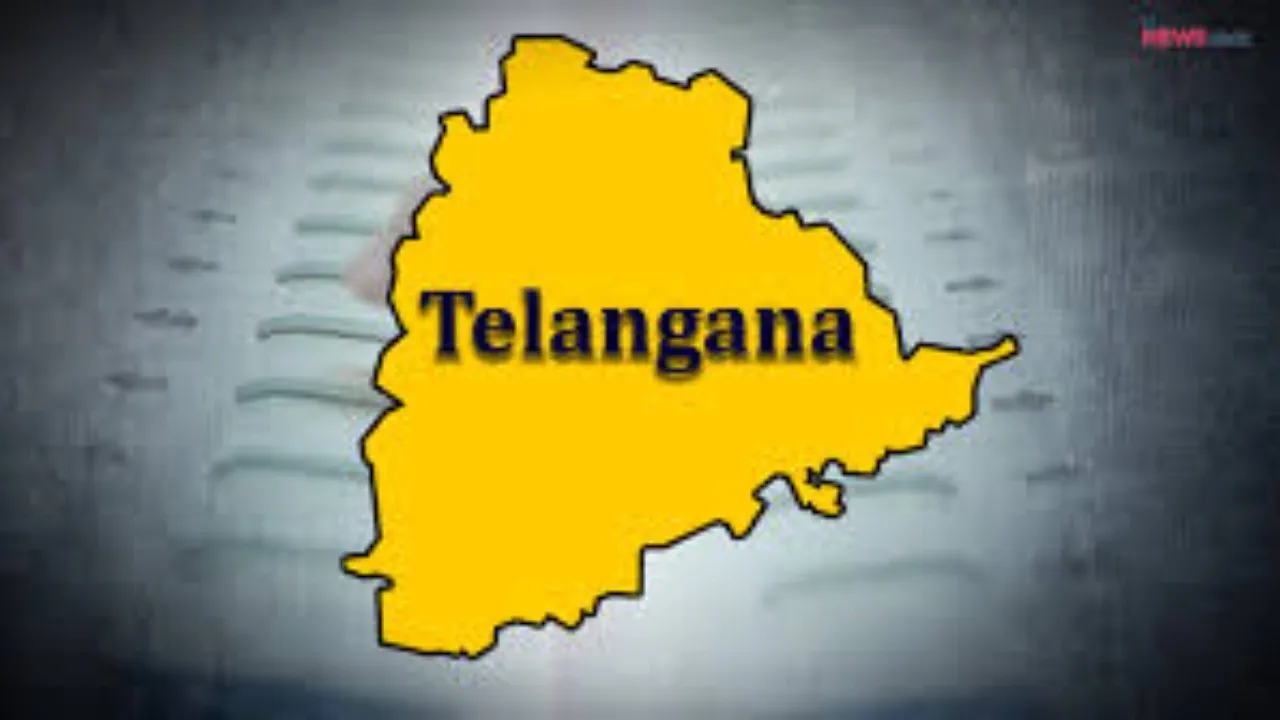
The Telangana government has stepped up efforts to reorganize districts, signaling faster action on an issue that has remained unresolved for several years. Although the state expanded from 10 districts to 33 after its formation, growing administrative challenges have pushed the government to reconsider the structure.
After nearly twelve years of statehood, officials believe the earlier district formation lacked a scientific approach. As a result, the government has taken a policy-level decision to reduce the number of districts from 33 to around 23. The aim is to improve administrative efficiency, public access, and coordination among departments.
Why Reorganization Is Back in Focus
Since 2016, when the first major reorganization took place, people across several regions have raised concerns. Many mandals remain far from district headquarters, while some assembly and parliamentary constituencies fall under two or even three districts. These overlaps have created confusion in governance, delayed development works, and complicated fund allocation.
Public representatives repeatedly flagged these issues, but the previous government did not act. During the elections, the Congress party promised district reorganization. After coming to power, Chief Minister Revanth Reddy reaffirmed this commitment. Revenue Minister Ponguleti Srinivasa Reddy recently clarified the government’s stand in the Legislative Assembly, prompting officials to begin groundwork for changes.
Judicial Committee to Study Changes
To address these problems, the government plans to form a judicial committee. This panel will examine administrative complications and recommend a scientifically balanced structure. The focus will remain on ensuring that mandals, revenue divisions, and constituencies fall within a single district wherever possible.
Officials say this step will help streamline welfare scheme implementation, reduce coordination issues among collectors, and improve local governance.
How Districts Expanded Over the Years
At the time of bifurcation, Telangana had 10 districts, 48 revenue divisions, and 466 mandals. In October 2016, the state created 31 districts, 74 revenue divisions, and 584 mandals. Later, Narayanpet and Mulugu districts were added in 2020 and 2021. Currently, Telangana has 33 districts, 74 revenue divisions, and 612 mandals.
However, fresh demands for new mandals and revenue divisions continue, highlighting flaws in earlier decisions.
Administrative Problems Across Regions
Several areas have reported difficulties after reorganization. Mandals like Ganded and Mohammedabad moved to Mahabubnagar from Rangareddy, while Husnabad division and Bejjanki mandal shifted from Karimnagar to Siddipet. These changes increased travel distance to district centers, triggering public protests.
Similar complaints emerged from districts such as Nalgonda, Bhadradri Kothagudem, Mahabubabad, Nirmal, Mancherial, and parts of the erstwhile Warangal region. The zonal system, introduced after district formation, may also need revision if boundaries change.
Central Approval Still Required
Despite state-level readiness, central government approval remains mandatory. Any change in district boundaries or names requires no-objection certificates from agencies like Railways, Postal Services, and the Survey of India. Moreover, with the national census underway, the Centre may restrict boundary changes until completion.
Even so, the Telangana government appears determined to move forward, indicating that district reorganization is likely to gain momentum in the coming months.