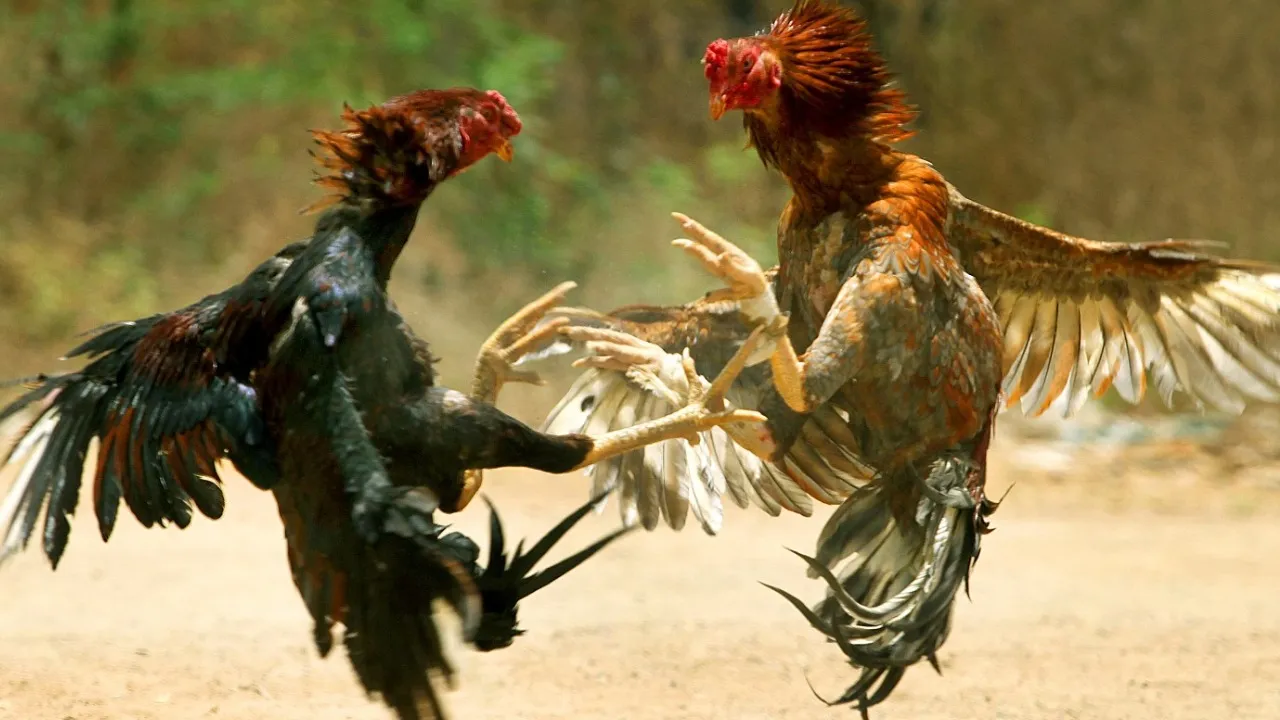
Every year, the arrival of Sankranthi fills villages and towns with festive cheer, marked by traditional sweets, kite flying, and cultural gatherings. In the Godavari districts of Andhra Pradesh, especially Konaseema, one tradition stands out during the three-day celebrations — cockfighting, locally known as kodi pandalu. While legal restrictions exist today, many people continue to view cockfighting as an age-old cultural practice deeply rooted in history.
Interestingly, the tradition of cockfighting did not begin as mere entertainment. Instead, it carries a powerful historical and social background that dates back thousands of years.
Ancient Roots of Cockfighting Tradition
Cockfighting has a long and documented history in Telugu culture. In ancient times, kings and feudal rulers encouraged the practice to instill bravery and combat spirit among soldiers. Warriors observed how a fighting rooster attacked its opponent with fearlessness. They were expected to reflect the same courage on the battlefield.
Historical references indicate that Satavahanas, Kakatiyas, and even accounts from the Palnati war period mention cockfighting. Therefore, the sport symbolised valour, discipline, and warrior spirit, rather than gambling or leisure.
A Tool to Prevent Bloodshed
Surprisingly, cockfighting also served as a conflict-resolution method. When disputes arose between two kings or rival groups, full-scale wars often resulted in heavy loss of life. To avoid such bloodshed, leaders sometimes agreed to settle disputes through cockfights.
Under this system, the losing side accepted defeat without warfare. Thus, cockfighting became a symbolic alternative to war. Over time, this custom passed down generations and evolved into a festival tradition, especially during Sankranthi.
The Palnati War Connection
One of the most famous references appears in the 12th-century Palnati war, a legendary chapter in Telugu history. According to popular belief, the conflict between Malideva Raja and Nalagama Raja escalated after a cockfight was proposed by Nagamamba.
The condition was simple yet severe. The loser had to give up the kingdom and live in exile for seven years. When Malideva Raja’s side lost, they reportedly went into exile. Although the cockfight initially replaced war, the dispute eventually led to a massive battle. Still, the episode highlights how cockfighting once played a decisive role in governance.
Beyond India: A Global Practice
Interestingly, cockfighting was not limited to India. Historical records show that ancient Greece also used cockfights to motivate soldiers and promote bravery. This global presence further proves that the tradition had symbolic importance beyond entertainment.
Tradition Continues Despite Change
Although modern times have brought legal challenges and social debates, cockfighting during Sankranthi in Konaseema continues as a symbol of tradition for many locals. For them, it represents heritage, history, and cultural identity.
Ultimately, understanding this background explains why the practice still holds emotional value. For many, Sankranthi in Konaseema feels incomplete without recalling the centuries-old story behind cockfighting culture.
For more latest updates, click here.