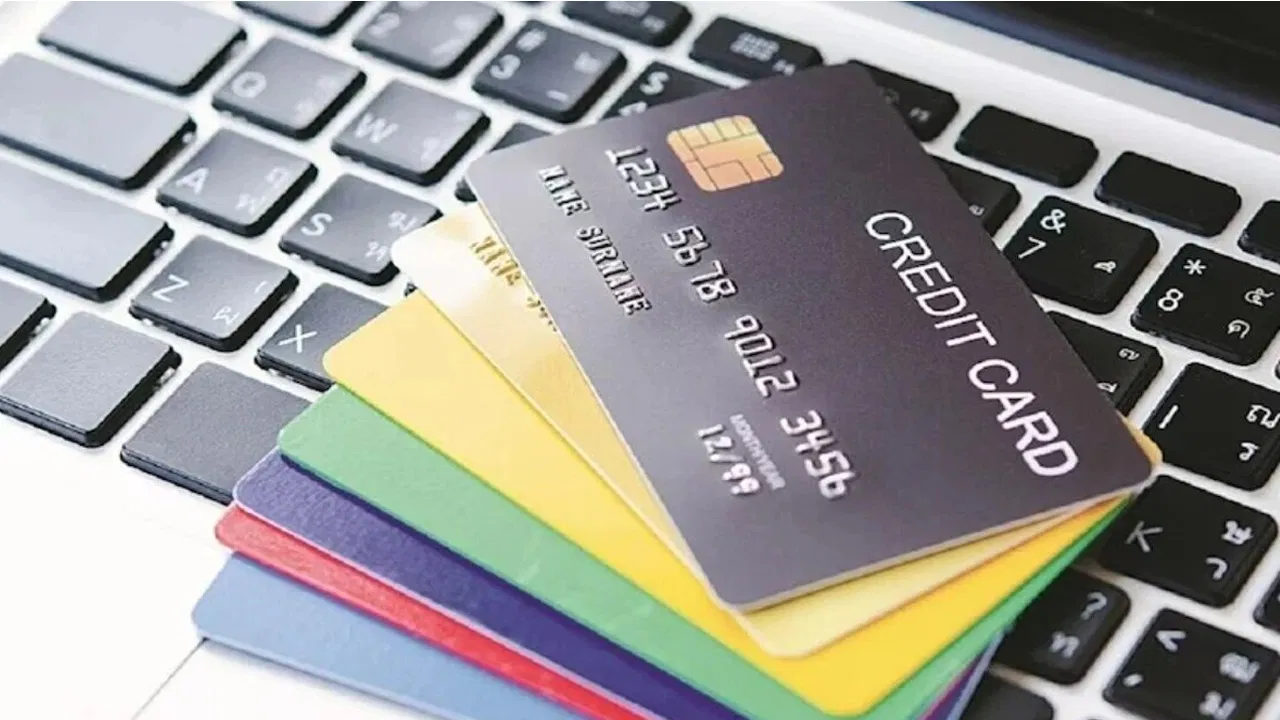
Credit cards have become a daily necessity rather than a luxury. People use them for shopping, travel, online payments, and even medical emergencies. However, despite their convenience, many cardholders ignore the long-term consequences of missing payments. Job loss, business setbacks, or sudden medical expenses often lead to delays in paying credit card bills, which creates fear and confusion about legal action.
One of the most common concerns among card users is whether unpaid credit card bills can lead to police cases or jail time. Frequent calls from banks and recovery agents only add to this anxiety. So, what do the actual rules say?
Can You Be Arrested for Not Paying a Credit Card Bill?
Simply not paying your credit card bill does not result in arrest. Credit card dues fall under financial debt, which the law treats as a civil matter, not a criminal offense. Banks and card issuers usually follow a standard recovery process. First, they send reminders through messages or emails. Then, they make phone calls and may assign recovery agents to contact you.
If the dues remain unpaid for a long period, the bank can approach a civil court to recover the money through legal means. This process focuses on repayment, not punishment. Police do not arrest individuals just for credit card default.
However, the situation changes if fraud is involved. If investigations prove that a person submitted fake documents, provided false information, or intentionally took the card with no intention of repaying, the case may turn criminal. In such rare scenarios, legal action, including arrest, becomes possible. In short, non-payment alone does not lead to jail, but proven fraud can.
What Are the Consequences of Not Paying Credit Card Bills?
Although arrest is not a concern in normal cases, unpaid credit card bills can still cause serious financial damage. The first and biggest impact is on your credit score. Even a delay of one or two months can significantly reduce your score. A poor credit score makes it difficult to get home loans, car loans, or personal loans in the future.
In addition, banks charge high interest rates and late payment fees on overdue amounts. Credit card interest is among the highest, and a small unpaid balance can grow rapidly within a few months. Banks may also block your card and intensify recovery efforts through agents.
If the matter reaches court, you may face legal notices, hearings, and extra expenses. Therefore, while missing payments does not put you behind bars, it can create long-term financial stress.
Bottom Line
Credit card bills should never be ignored. While the law protects borrowers from arrest in genuine default cases, the financial consequences can be severe. Paying at least the minimum due, communicating with the bank, or opting for restructuring can help avoid long-term damage. Responsible usage and timely payments remain the safest way to stay out of trouble.