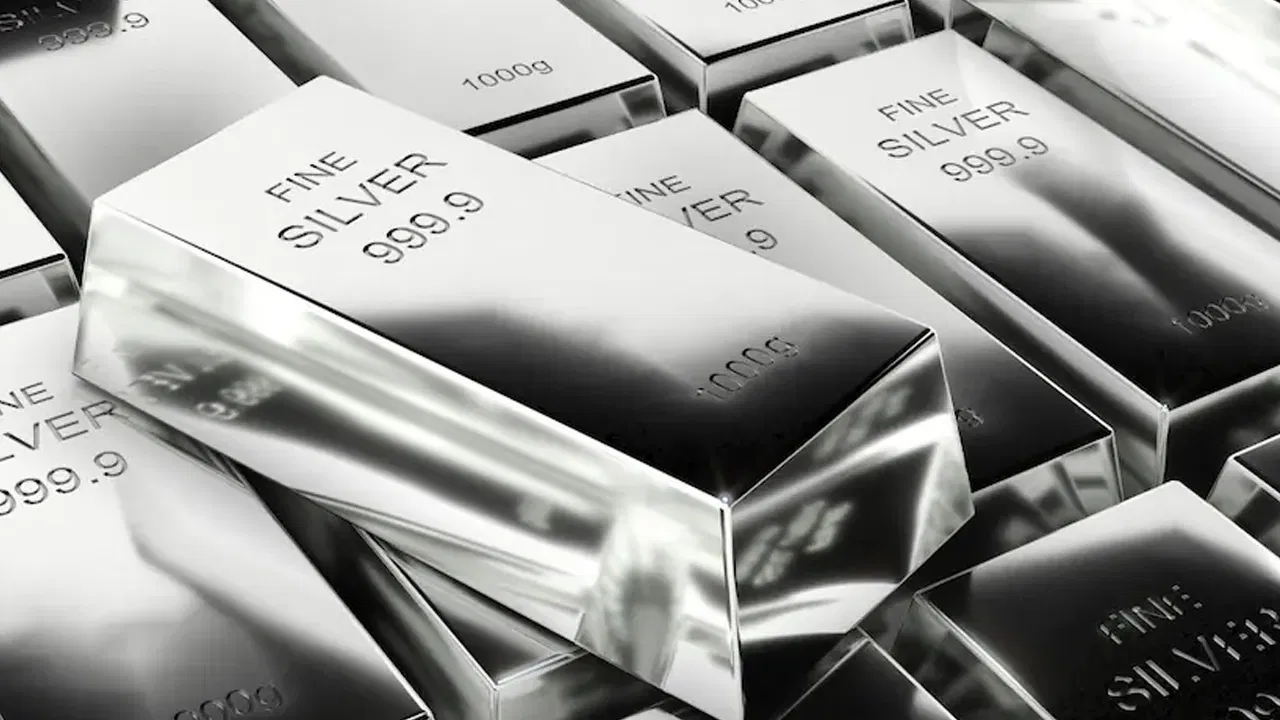
Silver has emerged as one of the most closely watched precious metals in global markets, driven by rising industrial demand and strong investor interest. As prices continue to fluctuate at higher levels, attention has shifted toward the countries that control the world’s largest silver reserves. These reserves not only shape global supply chains but also influence long-term pricing trends, industrial growth, and investment strategies. A country-wise look at global silver holdings offers valuable insight into which nations hold strategic dominance in this fast-moving commodities market.
Peru
Peru holds the top position globally with nearly 140,000 metric tons of silver reserves. Strong mining infrastructure and long-established extraction zones make the country a global leader in silver availability.
Poland
Poland ranks second with around 100,000 metric tons. It stands as one of Europe’s largest silver producers and plays a key role in supplying the regional industrial market.
Australia
Australia follows closely with approximately 94,000 metric tons of silver reserves. Advanced mining technology and strict regulations support steady production and export strength.
Russia
Russia holds about 92,000 metric tons of silver. These reserves add strategic value to its global commodity position and support both industrial and investment needs.
China
China possesses nearly 72,000 metric tons of silver. Along with holding large reserves, it also ranks among the world’s biggest silver consumers due to high industrial demand.
Mexico
Mexico, long known for its silver heritage, has around 37,000 metric tons of reserves. The country continues to influence global supply through active mining regions.
Chile
Although famous for copper, Chile also maintains solid silver reserves of about 26,000 metric tons, supporting its diversified mining sector.
United States
The United States holds roughly 23,000 metric tons of silver. These reserves mainly support industrial applications such as electronics, renewable energy, and defense.
Bolivia
Bolivia accounts for nearly 22,000 metric tons of silver. Historic mining belts continue to contribute to the global silver supply.
India
India ranks tenth with approximately 8,000 metric tons of silver reserves. While production remains limited, domestic demand continues to rise across jewelry and solar sectors.
As silver gains importance across industries such as renewable energy, electronics, and electric vehicles, the role of reserve-rich nations becomes even more critical. Countries with large silver deposits hold a strong advantage in shaping future supply stability and global market movements. With demand expected to grow further, silver is increasingly viewed as a strategic asset rather than just a precious metal. Understanding where the world’s silver lies helps investors, policymakers, and industries prepare for the next phase of global economic shifts.
For the latest updates, click here.