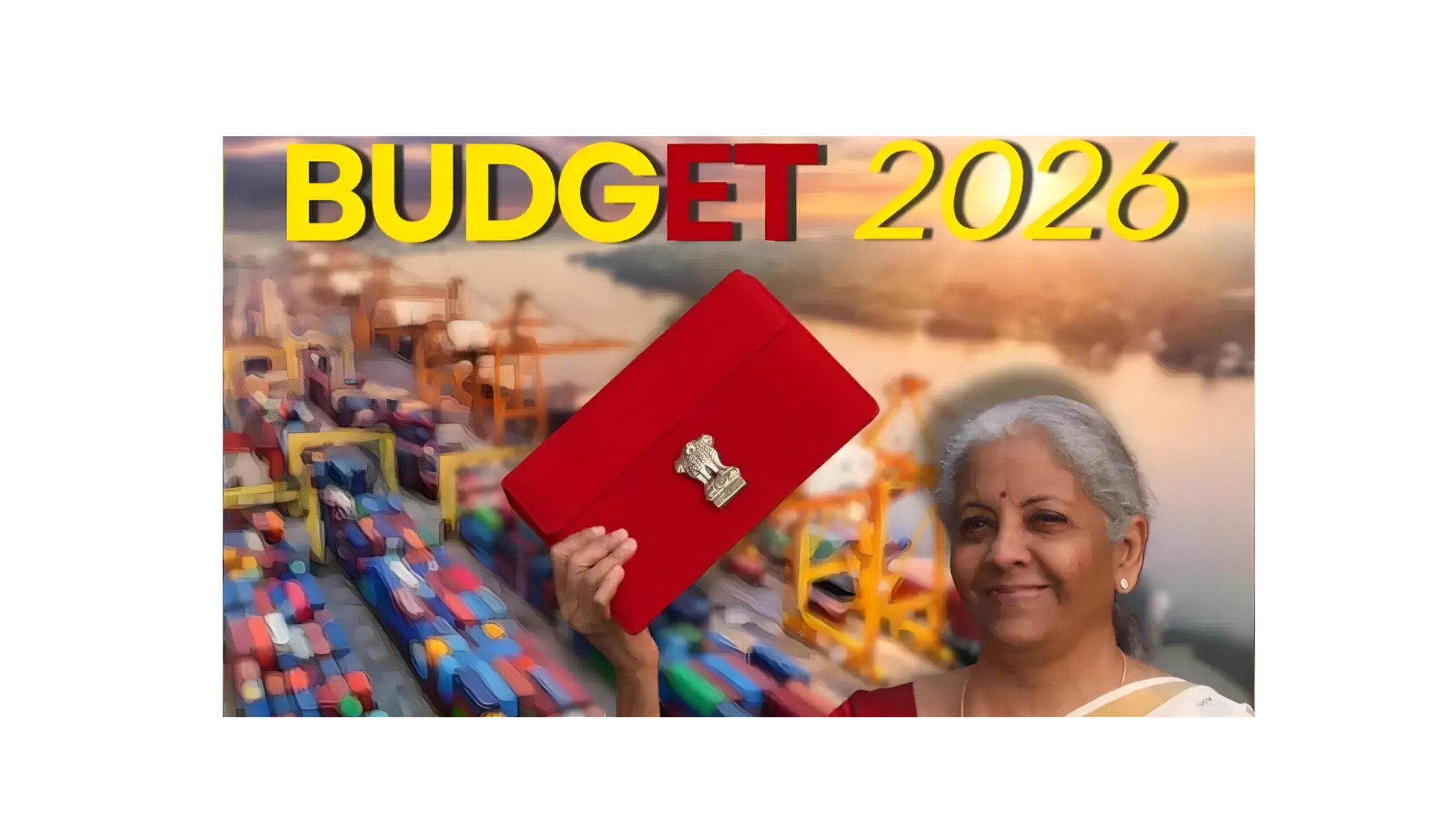
Union Finance Minister Nirmala Sitharaman presented the Union Budget 2026 in the Lok Sabha with a clear focus on the vision of “Viksit Bharat.” The budget outlines major economic reforms, infrastructure spending, and price adjustments that directly impact households, businesses, and industries. The government highlighted strong reform momentum, employment growth, and long-term development as central goals.
Reforms Drive the Budget Vision
While presenting the budget, Sitharaman described the government’s journey as a “reforms express.” She said the Centre introduced more than 350 reforms during 2025 to boost jobs, productivity, and investment. These steps aim to strengthen India’s position as a fast-growing global economy while ensuring inclusive growth.
At the same time, the budget focuses on stability, fiscal discipline, and future-ready sectors such as technology and manufacturing.
Key Economic Numbers to Watch
The Union Budget 2026 sets a strong financial roadmap for the coming year. The government allocated ₹12.20 lakh crore for capital expenditure to push infrastructure and industrial growth. It pegged the fiscal deficit for 2026-27 at 4.3 per cent.
In addition, the Centre expects tax collections to touch ₹28.70 lakh crore by 2027. To support advanced manufacturing, the government earmarked ₹40,000 crore for the Semiconductor Mission.
Prices Likely to Come Down
Several everyday items and services will become cheaper due to tax relief and duty reductions. Medicines used to treat cancer, diabetes, and seven other serious diseases will cost less, offering relief to patients.
Clean energy products such as solar equipment, CNG, biogas, and batteries will also become more affordable. Moreover, the cost of studying abroad and foreign travel will drop as the TCS rate for education and medical expenses comes down from 5 per cent to 2 per cent.
Consumer Goods and Export Relief
Leather products, footwear, and clothing exports will see price reductions. The budget also brings relief to sectors such as fisheries, aircraft equipment, and bidis. These changes aim to improve exports and make Indian products more competitive.
As a result, both consumers and exporters may benefit from lower input costs.
Items That Will Cost More
However, not all prices will fall. Alcohol and cigarettes will become costlier due to higher duties. Prices of minerals, scrap, and forward trading activities will also rise under new budget measures.
These increases target revenue generation and tighter regulation in selected sectors.
No Tax Relief for Salaried Class
Despite wide-ranging reforms, the budget offers no changes to income tax slabs for salaried employees. The government retained the existing structure, keeping personal income tax rates unchanged for the coming year.
Women-Focused Schemes and Long-Term Vision
The budget introduces new schemes aimed at women’s welfare and economic participation. At the same time, the government reaffirmed its commitment to the “Viksit Bharat” vision, focusing on sustained growth, reforms, and national development.
Overall, Union Budget 2026 balances growth, fiscal discipline, and targeted relief while setting the tone for long-term economic transformation.