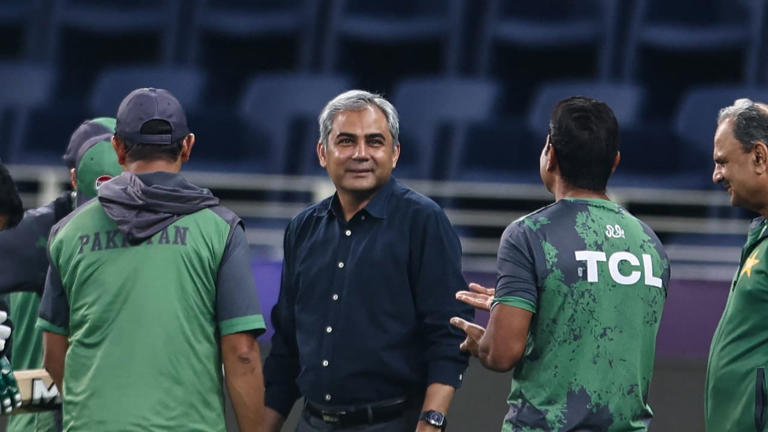
A fresh controversy has erupted around the Pakistan Cricket Board and its position on the India match at the T20 World Cup 2026. The PCB has firmly denied reports suggesting that it approached the International Cricket Council over a refusal to play against India. Calling such claims “fiction,” the board accused sections of the Indian media of spreading misleading information.
A PCB spokesperson said the truth would become clear with time. He stressed that the board never initiated talks with the ICC on this matter. According to him, speculation has replaced facts, and patience will reveal who actually contacted the global body.
Government Decision and Force Majeure Claim
The issue gained momentum after the Government of Pakistan decided that its team would not take the field against India. Officials said the move aimed to support Bangladesh, which earlier pulled out of the competition, citing security concerns. Following the decision, the PCB took the position that the situation fell under “Force Majeure.”
The board argued that circumstances beyond its control prevented participation in the match. Force Majeure usually covers extraordinary events that disrupt agreements. However, this claim has now come under scrutiny from the ICC.
ICC Warns of Possible Sanctions
The ICC has reportedly cautioned Pakistan about possible consequences if it fails to justify its stance. Pakistan had signed the Members Participation Agreement, which binds teams to play scheduled matches. ICC officials pointed out that Force Majeure normally applies to events such as war or natural disasters.
They also noted that the matches are scheduled to take place in Sri Lanka. According to the ICC, there are no known security threats for the Pakistan team at that venue. This has weakened the PCB’s argument and raised questions about compliance with tournament commitments.
As discussions continue behind the scenes, the situation remains tense. The outcome will depend on further talks between the PCB, the ICC, and the governments involved. The unfolding developments could have a wider impact on cricket diplomacy and future global tournaments.
For the latest updates, click here.