
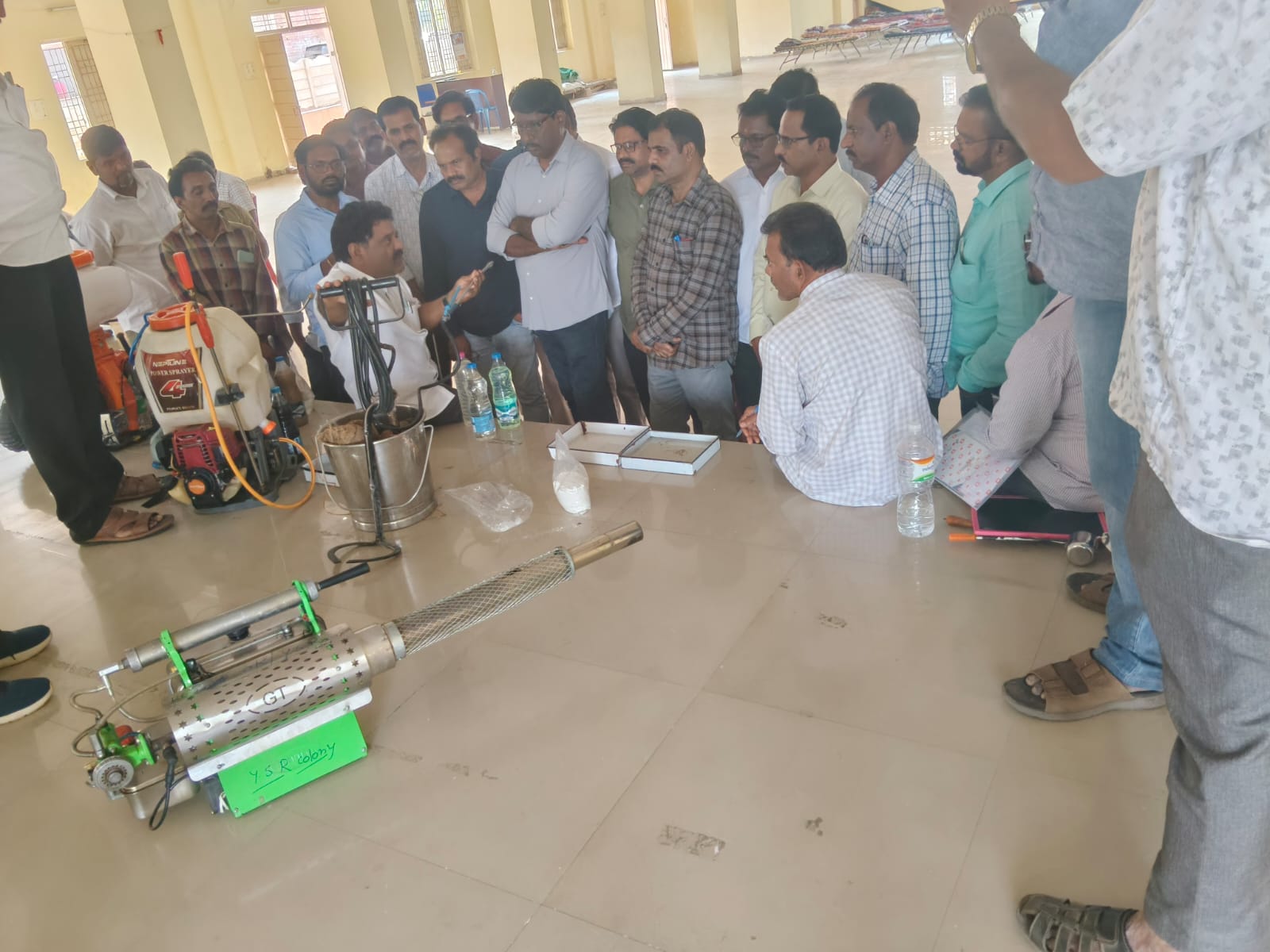
After nearly 15 years, the State Medical and Health Department has restarted specialised training for insect collectors to strengthen mosquito surveillance and disease prevention. The initiative focuses on improving field skills so staff can identify mosquito species at an early stage and help prevent seasonal outbreaks such as malaria, dengue, chikungunya, and filariasis.
The practical sessions are currently underway in Mangalagiri. Officials designed the program to match present-day public health needs. As mosquito-borne diseases continue to pose a challenge, authorities want field staff to act faster and more accurately.
Focus on Identifying Disease-Carrying Mosquitoes
During the training, experts explain how to identify mosquito species in both larval and adult stages. Participants learn to distinguish between Anopheles mosquitoes, which spread malaria; Aedes mosquitoes, responsible for dengue and chikungunya; and Culex mosquitoes, which cause filariasis and encephalitis.
Trainers also guide staff on tracking mosquito breeding patterns, movement, and habitat conditions. In Vijayawada’s Jakkampudi area in NTR district, where malaria cases often rise, insect collectors conducted early morning field exercises. They observed breeding sites and practised identifying mosquito clusters in real-time conditions.
Minister Stresses Skill Development
Health Minister Satya Kumar Yadav has directed officials to prioritise professional skill development across the department. He emphasised that doctors, paramedical staff, and field workers must update their knowledge regularly. Following his instructions, authorities revived this training program for insect collectors for the first time since 2011.
Officials believe refreshed training will help staff respond quickly during seasonal disease outbreaks.
How Mosquito Collection Is Done
One of the key highlights of the program is hands-on training in mosquito capture techniques. Instead of using traditional methods that may damage specimens, collectors now use a specialised “mosquito collection tube.”
Field workers search walls, corners, toilets, and dark resting spots, especially during night hours. Using a torchlight, they gently suction mosquitoes into the tube. The insects remain intact for laboratory examination. Later, experts analyse the captured mosquitoes to determine their species and assess potential health risks.
This method allows accurate identification and supports targeted preventive measures.
Early Action Through Surveillance
Insect collectors play a crucial role in reporting mosquito hotspots. Once they identify high-risk areas, they alert district malaria and public health officials. Authorities then initiate anti-larval operations, indoor residual spraying, fogging, and other control measures.
State Health Commissioner Veerapandian and Additional Director Subrahmanyeswari stated that collectors help block the spread of infections by acting quickly in identified zones. Their reports form the backbone of preventive health planning.
Moreover, the department plans to use the “AWARE” system—Advanced Warning Advisory for Resilient Ecosystem—to predict outbreaks in vulnerable areas based on previous data. This approach will allow officials to intervene at the earliest stage.
In areas facing staff shortages, Multi-Purpose Health Assistants also assist as insect collectors. Officials believe the renewed focus on training will significantly strengthen mosquito control efforts and reduce disease spread across the state.
With proactive surveillance and practical training, the health department aims to protect communities before outbreaks escalate.
దోమల ద్వారా సంక్రమించే వ్యాధులను నియంత్రించడానికి కీటకాలను సేకరించేవారికి ఆచరణాత్మక శిక్షణ.. pic.twitter.com/SCK5TFRP8O
— YK Tv Digital (@yktvdigital) February 11, 2026
For the latest updates, click here.