
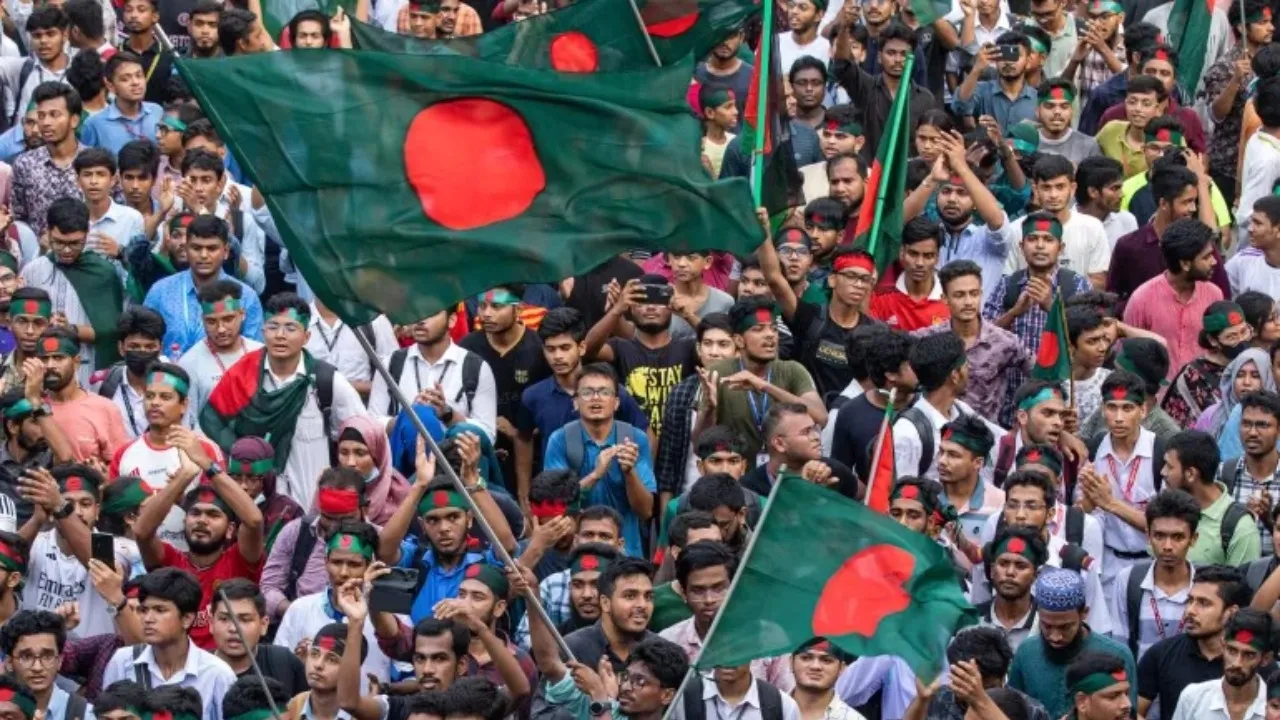
Bangladesh is gearing up for the general elections on February 12, 2026, marking a historic shift. These elections come after former Prime Minister Sheikh Hasina resigned in August 2024, paving the way for an interim government led by Muhammad Yunus. Citizens and political analysts are closely watching this election, which could reshape the country’s political and diplomatic landscape.
Political Landscape Changes
The interim government has banned the Awami League party from contesting. This decision has opened the field for other major parties. The main contenders include:
Bangladesh Nationalist Party (BNP), led by Tariq Rahman, son of former Prime Minister Khaleda Zia.
An 11-party coalition led by Jamaat-e-Islami and the National Citizen Party.
Political analysts predict that the absence of the Awami League will heavily influence election strategies.
Key Candidates and Their Chances
The BNP aims to secure a majority, which would make Tariq Rahman the next Prime Minister. On the other hand, if the Jamaat-e-Islami coalition wins, Dr. Shafiqur Rahman is likely to assume office.
Both leaders are actively reaching out to youth voters and addressing national security concerns. They also aim to reassure minorities and international observers.
Voting Process and Statistics
Bangladesh has about 12.7 crore eligible voters, with Gen Z playing a decisive role. Voting will cover:
300 parliamentary seats are directly elected by citizens.
50 reserved seats for women, filled by elected representatives.
A party needs 151 seats to form a government and 200 seats to approve constitutional changes. This election is also the first in Bangladesh’s history where voters will express opinions on constitutional amendments.
Social and International Context
Election officials are working to ensure a safe and fair process, but tensions have already emerged. Concerns over minority safety, particularly Hindus, remain high. Meanwhile, Bangladesh’s foreign policy has shifted closer to Pakistan and China, raising questions about whether the new government will maintain a pro-India stance.
Authorities and observers are keeping a close eye on election security, voter turnout, and transparency throughout the country.
The Bangladesh General Elections 2026 are pivotal. With youth participation, constitutional amendments, and international relations at stake, the results will shape the nation’s political and social landscape for years.
For the latest updates, click here.