
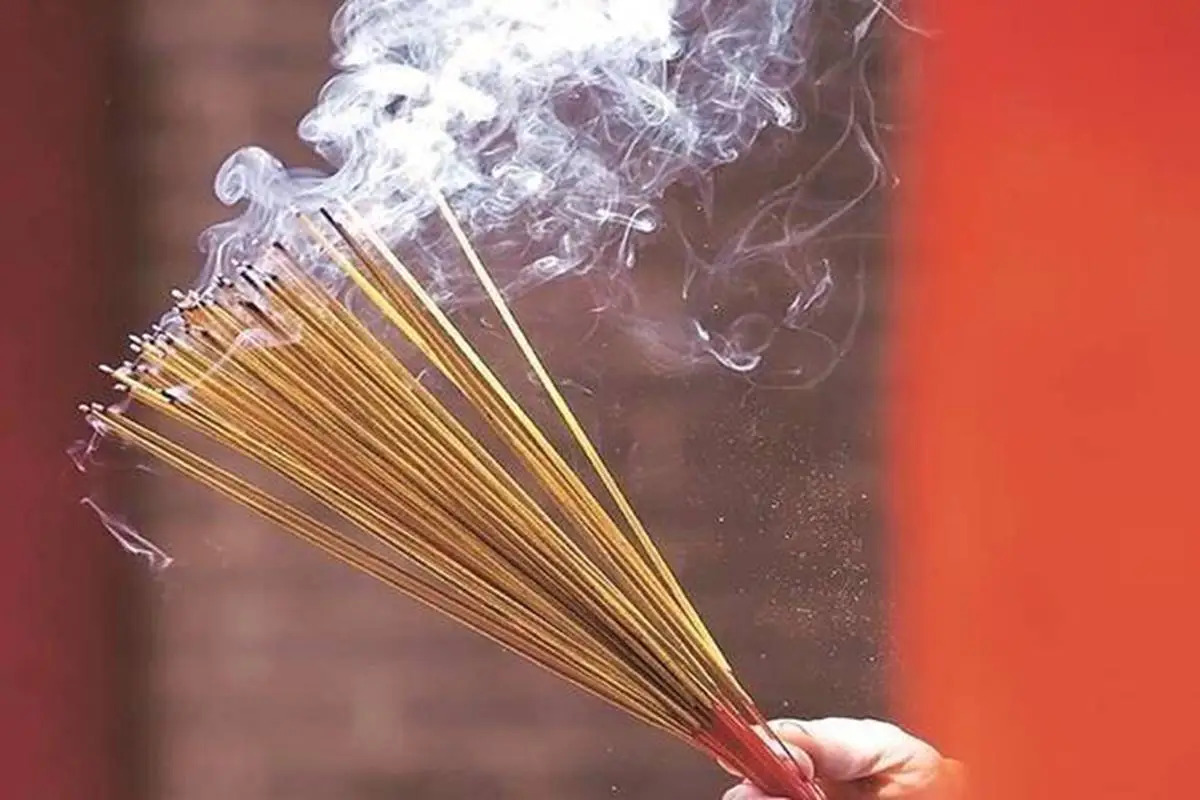
The Central government has taken a decisive step to improve the quality and safety of incense sticks in India. To protect consumer health and the environment, the Bureau of Indian Standards (BIS) has rolled out new manufacturing norms.
Union Consumer Affairs Minister Prahlad Joshi unveiled the standards, titled IS 19412:2025 – Specification for Incense Sticks, on National Consumer Day 2025. Through this move, the government aims to ensure safer products and raise consumer trust.
Strict Ban on Harmful Chemicals
Under the new rules, manufacturers must stop using several harmful pesticides and synthetic fragrances. These include allethrin, permethrin, cypermethrin, deltamethrin and fipronil. In addition, BIS has restricted chemicals such as benzyl cyanide and ethyl acrylate.
As a result, incense sticks will now pose fewer risks to human health. Moreover, the ban will help improve indoor air quality. Many of these substances already face restrictions in several countries worldwide.
Clear Quality Benchmarks
Meanwhile, BIS has classified incense sticks into three categories: machine-made, hand-rolled and traditional masala types. It has also set clear standards for raw materials, fragrance quality and burning performance.
Products that meet these norms will carry the BIS Standard Mark. Therefore, consumers can easily identify safe and high-quality agarbattis while shopping.
Strong Push for Industry and Exports
India leads the world in incense stick production and exports. The domestic agarbatti industry is worth nearly ₹8,000 crore. At the same time, exports touch around ₹1,200 crore across 150 countries.
Importantly, the sector supports thousands of artisans, especially women in rural areas. With the new standards, the government expects stronger global confidence in Indian agarbattis. Consequently, exports may rise further in the coming years.
Overall, the Centre believes these norms will protect consumers, support artisans and strengthen India’s position in the global incense market.