
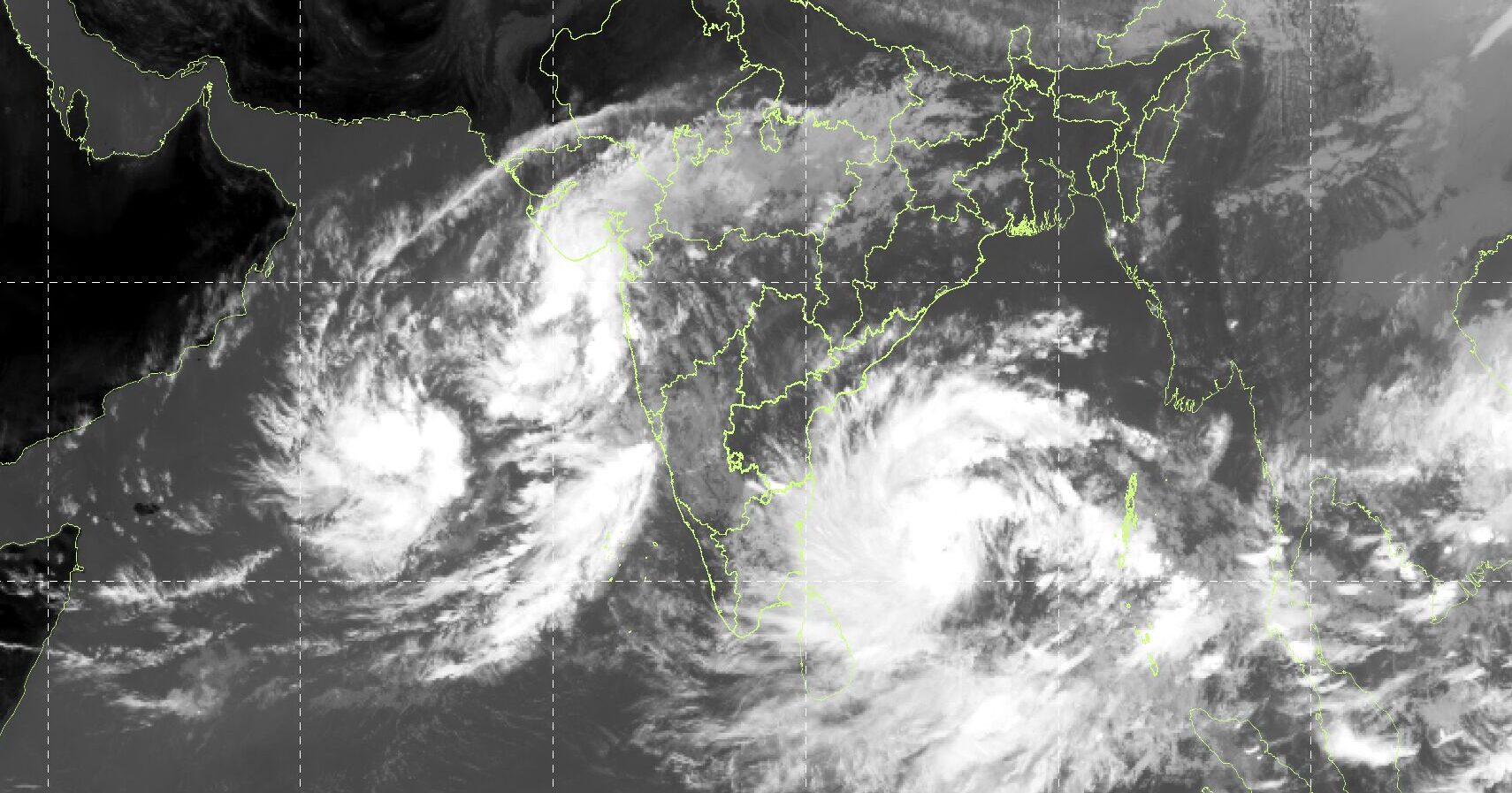
The latest tropical cyclone expected to make landfall between Machilipatnam and Kakinada in Andhra Pradesh has been named Cyclone Montha. Thailand submitted the name to the World Meteorological Organisation (WMO)/ESCAP panel for tropical cyclone naming in the North Indian Ocean.
In Thai, Montha means ‘a fragrant beautiful flower’. Thirteen member countries—including India, Bangladesh, Myanmar, Oman, Pakistan, Qatar, Saudi Arabia, Sri Lanka, Thailand, UAE, Yemen, Iran, and the Maldives—adopted the revised list in 2020 and now use the name as part of their cyclone naming system.
The India Meteorological Department (IMD) and WMO emphasise that naming cyclones is crucial for saving lives, improving public communication, preparedness, and disaster response. Assigning names to tropical cyclones allows authorities to track storms more efficiently, issue timely warnings, and coordinate emergency response efforts effectively.
Also read Why Cyclone Montha is different from other toofans?
Cyclone names are unique identifiers
Cyclone names provide a unique identifier, preventing confusion when multiple storms are active in nearby regions. Unlike technical codes or coordinates, names like ‘Montha’ or ‘Fani’ are easy to remember and widely recognisable, helping both media and the public quickly understand warnings. Naming also enhances the impact of alerts, prompting citizens to take precautionary measures and share information through social networks.
The practice aids disaster management coordination among international organisations, naval and coastal departments, and humanitarian agencies. Unique names prevent mix-ups when multiple cyclones are active in different basins, such as the Bay of Bengal and Arabian Sea.
Naming cyclones helps with record-keeping and research
Names also foster cultural familiarity, as member countries submit names in local languages to ensure ease of pronunciation and increased public awareness.
Cyclone naming additionally helps with record keeping and research, allowing meteorologists to study storm histories and improve long-term disaster planning. The IMD, acting as the Regional Specialised Meteorological Centre (RSMC) for the North Indian Ocean, assigns names once a storm reaches a wind speed of 62 km/h (34 knots) or higher. Each member country submits a list of cyclone names in advance, and authorities apply these names sequentially as storms develop. This system ensures consistency and helps avoid confusion during disaster communication and response.
In essence, Cyclone Montha symbolises not only beauty and fragrance, as intended by Thailand, but also serves as a critical tool for public safety, emergency coordination, and effective disaster response for communities along the Andhra Pradesh coast.
Irony in the naming of Cyclone Montha
Thailand gave the word Montha (pronounced as Mon-Tha) for the nomenclature of the latest cyclone. In Thai, montha means ‘a fragrant flower’, a calm and gentle meaning which is now in sharp contrast with the severe nature of the storm.