
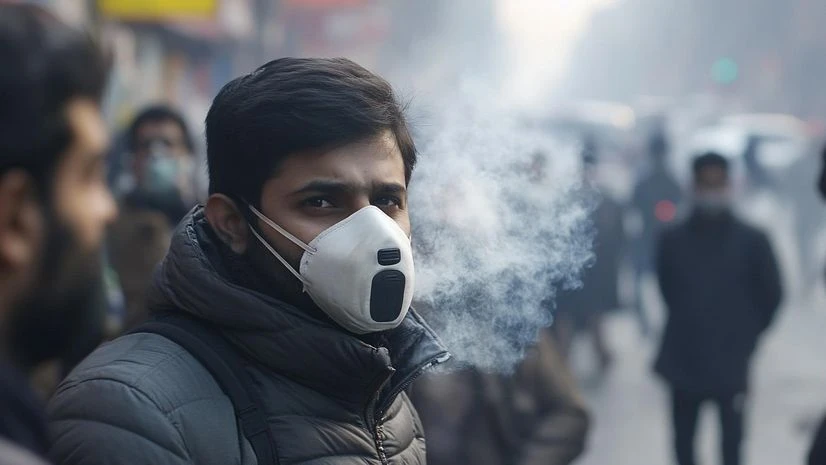
Delhi’s winter smog is no longer just a cause of breathing trouble—it has now emerged as a serious public health threat. A shocking new study by researchers at Jawaharlal Nehru University (JNU) has revealed the presence of dangerous antibiotic-resistant bacteria, commonly known as “superbugs,” in the air across the national capital.
The findings, published in the reputed journal Nature – Scientific Reports, highlight how air pollution in Delhi carries invisible biological risks that go far beyond coughing, asthma, or eye irritation.
Superbugs Far Above Safe Limits
According to the study, researchers collected air samples from several locations across Delhi, including crowded markets, slums, residential colonies, and sewage treatment plants. During peak winter pollution, bacterial concentrations reached nearly 16,000 colony-forming units per cubic metre, which is 16 times higher than the safety limit recommended by the World Health Organization (WHO).
While bacterial levels drop during the monsoon due to rainfall, scientists found that low temperatures and humidity during winter allow these microorganisms to survive longer in the air.
Antibiotic Resistance Raises Alarm
The study identified that most of the bacteria present belong to the Staphylococcus family, which can cause skin infections, pneumonia, and even life-threatening blood infections. Alarmingly, 73 percent of these bacteria showed resistance to multiple antibiotics.
Researchers also detected the mecA gene, which makes bacteria resistant to powerful antibiotics like methicillin. This confirms the presence of highly dangerous superbugs that are difficult to treat using standard medicines.
Indoor Air Is Not Safe Either
The danger does not end outdoors. The study revealed that indoor air inside homes also contains high levels of these bacteria throughout the year, especially in poorly ventilated and overcrowded living spaces. Unlike outdoor air, indoor bacterial levels showed little seasonal variation, making constant exposure a serious concern.
Who Faces the Greatest Risk?
While healthy individuals may not experience immediate effects, experts warn that elderly people, young children, those with respiratory illnesses, and individuals with weak immune systems are at high risk. Infections caused by antibiotic-resistant bacteria can become severe and, in some cases, untreatable.
Call for Immediate Action
JNU scientists have urged authorities to treat this issue as an environmental and public health emergency. They recommend setting up dedicated monitoring systems to track airborne bacteria and integrating biological pollution into air quality management policies.
As Delhi continues to battle toxic smog every winter, this study serves as a grim reminder that the city’s air carries threats that cannot be seen—but can be deadly.