
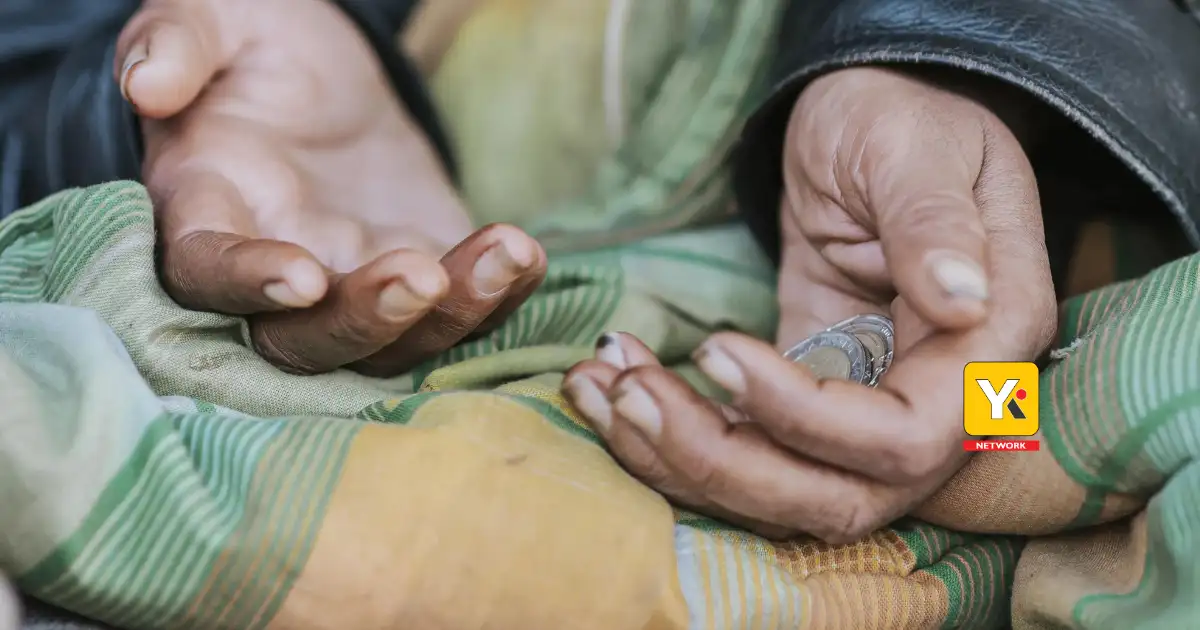
On October 17, the world pauses not to celebrate, but to confront. The International Day for the Eradication of Poverty is not a ceremonial date on the calendar. It is a day when the world is asked to look poverty in the eye and recognise it not as a personal failure, but as a systemic betrayal. As UN Secretary-General António Guterres declares, “Poverty is not a personal failure; it is a systemic failure. A denial of dignity and human rights.”
This year’s theme, ‘Ending social and institutional maltreatment by ensuring respect and effective support for families’, strikes at the heart of the issue. It calls for a transformation of the very institutions meant to protect and uplift the schools, clinics, welfare offices, and child protection systems that too often perpetuate stigma and control.
Families on the frontline of exclusion
Families living in poverty face not only economic disadvantage but also social marginalisation. Systems meant to offer support often judge, monitor, and even separate single mothers, Indigenous communities, and historically oppressed groups. The emotional toll of poverty-driven family separation is profound, leaving scars on both children and parents. The theme urges us to build institutions that help families stay together, thrive, and shape their own futures.
A legacy of solidarity
The origins of this day trace back to 1987, when over 100,000 people gathered at the Trocadéro in Paris, the birthplace of the Universal Declaration of Human Rights, to honour victims of poverty, violence, and hunger. That moment of collective remembrance and resistance laid the foundation for the UN’s official recognition in 1992. It was never just about awareness. It was about action.
Poverty as violence
Poverty is not simply a lack of income. It is exclusion. It is the denial of opportunity, dignity, and voice. Whether in urban slums or remote tribal belts, poverty manifests as malnutrition, illiteracy, unsafe housing, and systemic neglect. October 17 reminds us that poverty is a form of violence—one that robs people of agency and hope.
This day challenges us to move beyond charity models and embrace justice-based frameworks. It’s not about giving, it’s about transforming. Structural reforms are needed: land rights, equitable education, healthcare access, and digital inclusion. The goal is not temporary relief but lasting change.
Voices that lead the way
Grassroots organisations and civil society groups mark this day with testimonies, events, and stories of resistance. These are not tales of despair. They are blueprints for change. They remind us that those closest to the problem are often closest to the solution.
- Over 700 million people still live on less than $2.15 a day
- Women and children bear the brunt, especially in conflict zones
- Climate change and pandemics have widened poverty gaps, undoing years of progress
India’s role in the global dialogue
India, with its vast diversity and layered inequalities, plays a pivotal role in shaping the global poverty narrative. From rural employment schemes to digital public infrastructure, its innovations are closely watched. Yet, the challenge remains: how to ensure that development translates into human flourishing, not just GDP growth.
A provocation, not a commemoration
October 17 asks hard questions:
- Are our policies people-first or profit-first?
- Are we listening to the poor or speaking for them?
- Are we building systems that include or exclude?
A shared moral duty
Joseph Wresinski, whose movement inspired this day, said it best:
“Wherever men and women are condemned to live in poverty, human rights are violated. To come together to ensure that these rights are respected is our solemn duty.”
This October 17, let us not just observe. Let us act, listen and build a world where dignity is not a privilege, but a guarantee.