
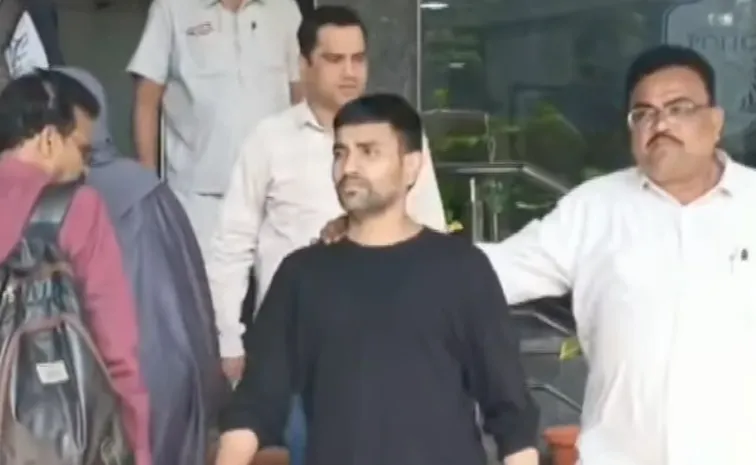
The Nampally court has granted conditional bail to Immadi Ravi, popularly known as iBomma Ravi, arrested in November last year for running a large-scale movie piracy network. The court imposed strict conditions to prevent further offences. Ravi must surrender his passport, remain in India, and report daily to the Central Crime Station (CCS). He also cannot use the internet without police approval.
Identity Fraud and Network Operations
Investigators revealed that Ravi used sophisticated methods to hide his identity:
Stealing Personal Details: Ravi used documents from acquaintances, including former hostel roommate Prahlad Kumar and others named Anjayya and Kali Prasad, to obtain fake IDs, PAN cards, and driving licenses.
Operational Attempts: Using these fake identities, he opened bank accounts and bought web domains. Before the success of iBomma, Ravi tried platforms like hospital. in and suppliers. in, which failed.
Financial Trail and Luxury Spending
Authorities traced around ₹13 crores through Ravi’s bank accounts. They successfully froze ₹3 crores, while investigators believe he spent the remaining ₹10 crores on luxury goods, property, and foreign trips. Police continue tracking additional assets and financial movements linked to his piracy operations.
Broader Implications
The iBomma piracy case highlights the increasing challenge of digital piracy in India. While other news, such as gold price drops, the T20 World Cup 2026, and political developments in Bangladesh, make headlines, this case draws attention due to its scale, financial impact, and legal ramifications.
For the latest updates, click here.