
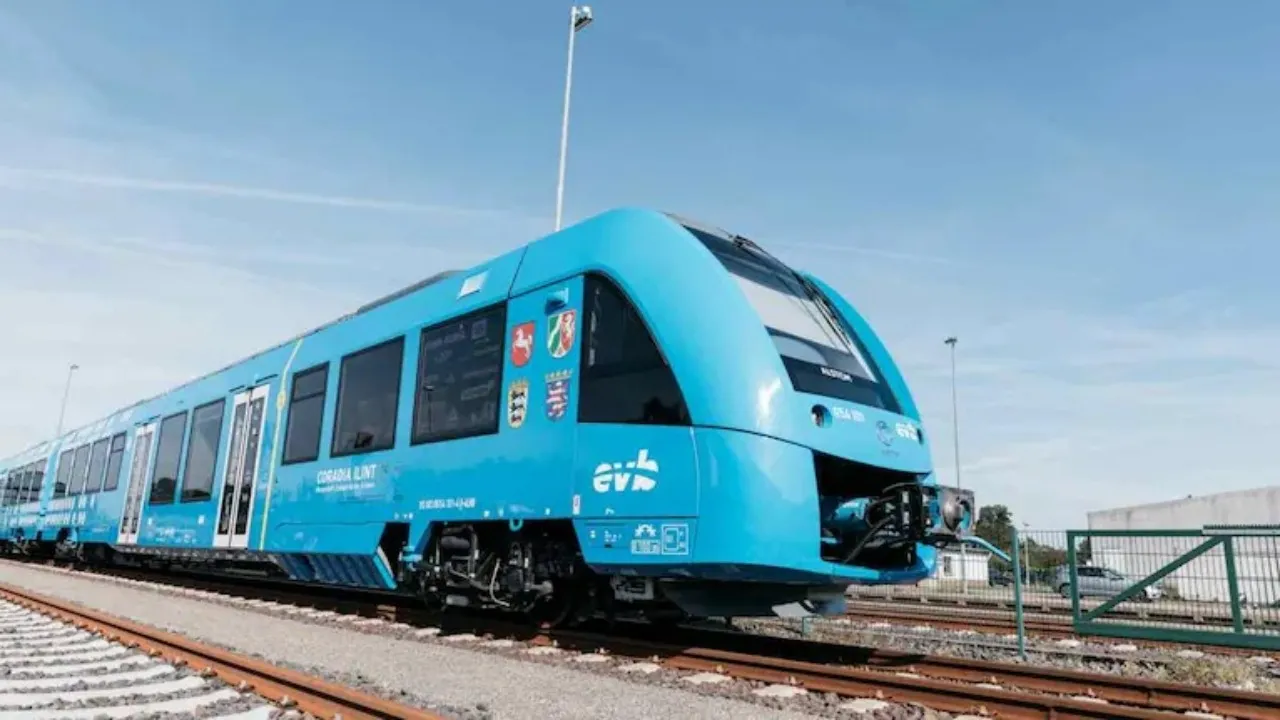
India is set to achieve a major milestone in green transportation with the launch of its first hydrogen-powered train in Haryana. The eco-friendly train, designed and operated by Northern Railways, will soon begin services on the Jind–Sonipat route, marking a significant step towards sustainable rail travel.
Hydrogen Train to Run on Jind–Sonipat Route
The hydrogen-powered train will operate between Jind and Sonipat in Haryana. To support this initiative, authorities have established a dedicated hydrogen fuel plant in Jind. The plant has a production capacity of 3,000 kilograms of hydrogen and will ensure a steady fuel supply for train operations. Moreover, officials have arranged an 11 kV power supply to run the hydrogen plant efficiently.
Dedicated Hydrogen Plant Boosts Green Mobility
The hydrogen plant will continuously supply fuel to the train, enabling smooth and uninterrupted operations. This setup highlights Indian Railways’ commitment to reducing carbon emissions and adopting clean energy solutions. Unlike conventional trains, hydrogen-powered trains emit only water vapor, making them highly environment-friendly.
Project Nears Completion
Haryana Chief Secretary Anurag Rastogi recently reviewed the project’s progress during a meeting with officials of Dakshina Haryana Bijli Vitaran Nigam (DHBVN). During the review, officials confirmed that the project has entered its final phase. As a result, the launch of the hydrogen train is expected soon.
A Landmark Moment for Indian Railways
This project stands out as India’s first hydrogen-powered train initiative. It reflects the country’s broader push towards green energy and sustainable infrastructure. Additionally, the success of this project could pave the way for introducing hydrogen trains on other routes across the country.
With the launch approaching, all eyes are on Haryana as India prepares to roll out a cleaner, greener future for rail transport. The hydrogen train not only showcases technological advancement but also reinforces India’s commitment to combating climate change through innovation.
For more latest updates, click here.