
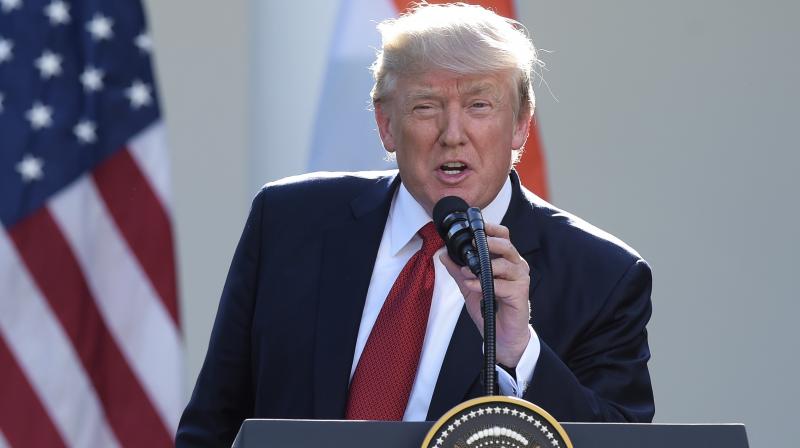
Former US President Donald Trump has made a key announcement by releasing a list of 120 countries that receive aid or welfare support from the United States. The list includes several of India’s neighboring countries such as Pakistan, China, Bangladesh, and Nepal. Notably, India does not appear on the list, a detail that has sparked widespread discussion.
According to the data shared, the absence of India highlights the economic standing of Indians living in the United States. Trump has repeatedly criticized government spending on immigrant welfare, and the newly released list aligns with his long-standing views on reducing such expenditures. The data suggests that Indian immigrants rely far less on government assistance compared to many other communities.
High Dependence on Aid Among Some Countries
The figures reveal that a significant percentage of immigrant families from several countries depend on American welfare programs. About 54.8 percent of families from Bangladesh reportedly rely on US assistance. Similarly, 40.2 percent of Pakistani families, 34.8 percent from Nepal, 32.9 percent from China, and 42.7 percent from Ukraine receive some form of support from the US Treasury.
In contrast, Indian immigrants show minimal dependence on welfare schemes. Analysts point out that this difference reflects employment patterns, income levels, and professional representation within the United States.
Indians Lead in Income and Employment
Data from the Pew Research Center shows that Indians are among the highest earners among foreign communities in the US. The average annual income of an Indian household stands at around $151,200, which is significantly higher than the US national average. Indians also form the second-largest Asian community in America, accounting for about 21 percent of the Asian population.
Moreover, Indian-Americans occupy key professional roles across sectors. Many work as doctors, engineers, entrepreneurs, CEOs, and senior managers. As a result, they contribute heavily to the US economy through taxes rather than relying on welfare benefits.
What the List Indicates
The exclusion of India from the aid-receiving countries list underlines the economic self-reliance of Indians in the United States. Experts say this reflects strong educational backgrounds, skilled employment, and higher income levels within the community.
Overall, Trump’s announcement has once again brought attention to immigration, welfare dependence, and economic contribution. While several countries continue to receive US aid, India’s absence from the list stands out as a marker of the financial strength and independence of its diaspora in America.
For more latest updates, click here.