
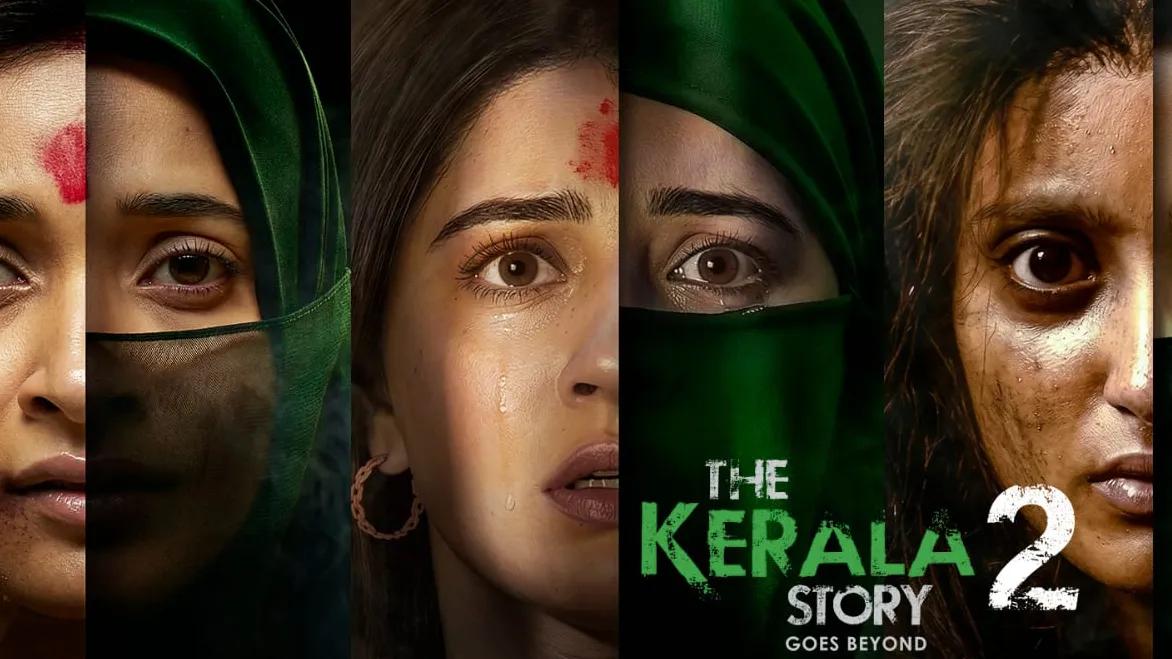
The sequel to the controversial film The Kerala Story has sparked nationwide debate even before its release. The Kerala Story 2, produced by Vipul Amrutlal Shah, was scheduled to hit theatres this week. However, the Kerala High Court has imposed an interim stay on its release. The court cited concerns that the film could hurt the state’s reputation and offend certain communities.
The dispute arose after biologist Sridev Namboodri filed a petition claiming the movie misrepresents Kerala while focusing on the lives of three women from North India. He argued that the title itself wrongly associates the story with the state and could portray Kerala and its Muslim community negatively. The petitioner requested the revocation of the U/A certificate issued to the film.
Court Intervention and Key Observations
During the hearing, Justice Bechu Kurian Thomas observed that the petitioner’s concerns seemed valid. He instructed the makers not to release the film until the court completes its review. When the court offered to view the film before deciding, the producers declined.
The court also questioned the rationale behind dialogues referencing Sharia law and highlighted the potential impact on religious harmony. The first part of the film had previously collected over ₹280 crore and won a National Award, yet critics argued it targeted only one community. Now, concerns have resurfaced with Part 2.
Central Government Supports Censor Board
The central government defended the film, supporting the Censor Board’s decision. Officials argued that the movie does not threaten public order or portray Kerala negatively. They emphasised the importance of creative freedom and noted that objections could arise for many films, citing Delhi Belly, Chennai Express, and Go Goa Gone as examples.
Public Debate on Art vs Religious Sensitivity
The controversy highlights the delicate balance between artistic expression and religious sensitivity. While the filmmakers maintain that The Kerala Story 2 is based on true events, critics label it propaganda. The case has reignited discussions about the freedom of expression, regional identity, and the responsibility of cinema in shaping public perception.
As the court continues its review, the film’s release remains on hold, and the nation awaits the decision that could determine how far filmmakers can go when depicting real-life events tied to sensitive communities.
For the latest updates, click here.