One of the world’s largest tribal festivals, the Kesslapur Nagoba Jatara, begins today in Telangana. The sacred event takes place at Kesslapur village in Indravelli mandal of Adilabad district. The Telangana government has recognised it as a state festival.
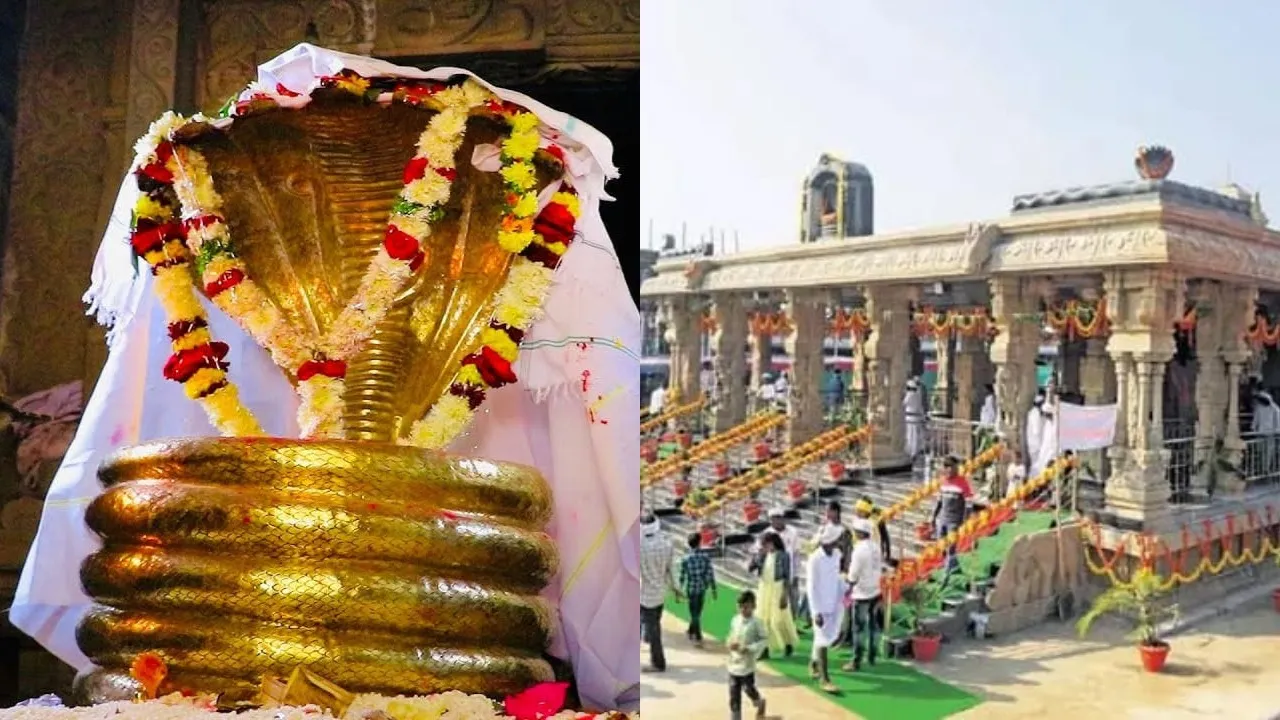
Unlike other major jatras, only tribal communities participate in the Nagoba Jatara. The festival holds deep spiritual importance for Gond tribes. They worship Nagoba, also known as Adisheshu, as their ancestral deity.
Devotees strongly believe the deity appears on Pushya Masa Amavasya night. Tribal priests offer milk and perform traditional rituals with devotion. According to belief, Nagoba blesses them and then disappears.
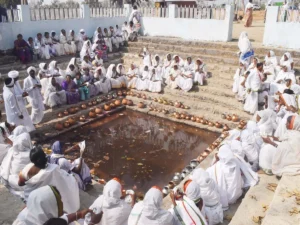
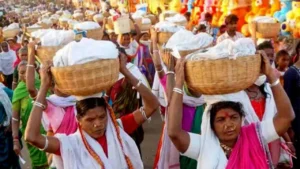
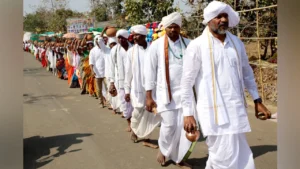
The festival begins with a Maha Puja at 10 pm on Amavasya. Members of the Mesram clan walk nearly 100 kilometres to collect holy Godavari water from Hastina Madugu. They carry the water through forests with strict discipline and faith. After reaching Kesslapur, priests perform abhishekam using the sacred water.
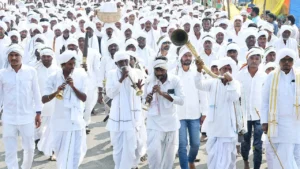
Thousands of tribal devotees arrive from Telangana, Maharashtra, Madhya Pradesh, Chhattisgarh, and Odisha. On January 22, officials will conduct the traditional Tribal Darbar. Tribal leaders will raise their concerns directly with ministers and district authorities. This practice has continued since 1942.
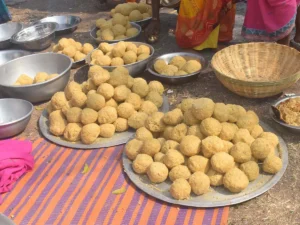
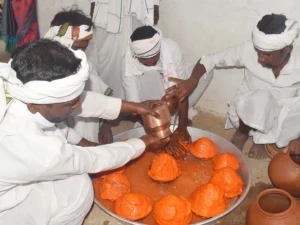
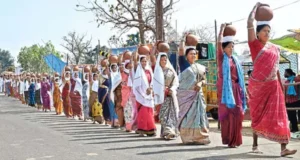
Despite the huge gathering, Mesram clan members cook food only on 22 sacred hearths. The Guggilla clan from Sirikonda prepares special clay pots for rituals. These customs have remained unchanged for generations.
Families also bring newly married brides to the temple. Elders introduce them to Nagoba as part of a sacred tradition. Tribal communities believe this ritual brings prosperity and harmony.
Though Kesslapur has fewer than 400 residents, the village turns into a massive gathering during the festival. The Nagoba Jatara will continue till January 25 with full administrative support.
The festival reflects the rich tribal culture, strong faith, and unity of Telangana’s indigenous communities.