
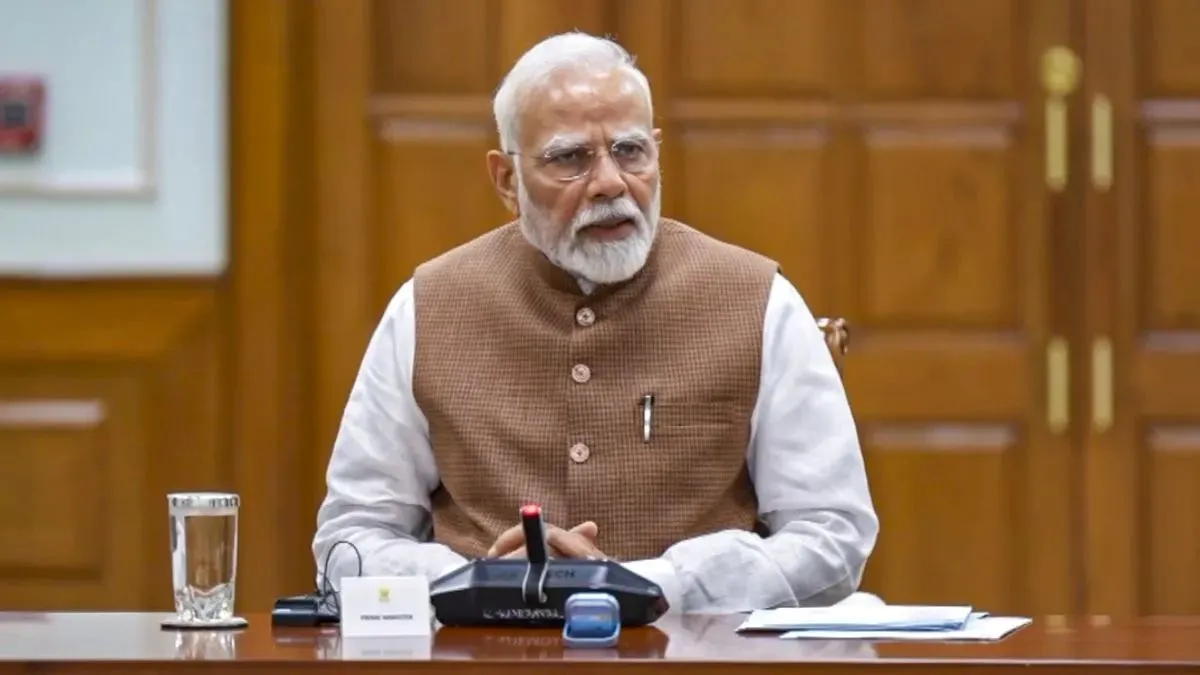
Prime Minister Narendra Modi chaired an emergency meeting of the Cabinet Committee on Security (CCS) after fresh military strikes between Iran and Israel pushed West Asia into deeper conflict. The high-level review focused on the February 28 air attacks and the growing risk of a wider regional war. The Centre mainly discussed the safety of Indians living in Gulf nations, possible flight disruptions, oil supply risks, and the wider impact on global trade. The government made it clear that protecting Indian citizens remains its top priority.
Rising Tensions After Fresh Airstrikes
The crisis deepened after the United States and Israel carried out coordinated airstrikes on Iranian targets. Soon after, Iran launched retaliatory attacks, raising fears of a larger confrontation across multiple Middle East countries. Several Gulf nations stepped up security as tensions spilt beyond direct conflict zones.
As the situation worsened, global markets reacted sharply. Oil prices showed signs of volatility, and key shipping routes in the region faced uncertainty. Experts believe that prolonged unrest could disturb energy supplies and trade movement.
Focus on the Safety of Indians in Gulf Countries
Lakhs of Indians live and work across West Asia, especially in Gulf nations. During the CCS meeting, officials reviewed emergency response plans to ensure their safety. Indian embassies in the region have been placed on alert and asked to stay in constant touch with local authorities.
Flight services in some areas have been disrupted due to security concerns. This has left several Indian passengers stranded. In addition, Indian students appearing for exams in affected countries are facing anxiety due to the unstable situation. The government discussed support measures, including helplines and possible evacuation plans if required.
Economic Impact and Energy Concerns
West Asia plays a key role in India’s energy security. A major share of India’s crude oil imports comes from this region. Any long conflict could increase fuel prices and affect domestic markets. Trade flows and remittances from Indians working in Gulf countries could also feel pressure if instability continues.
Officials examined ways to reduce possible economic shocks. They stressed the need for preparedness to manage sudden price rises or supply chain issues.