
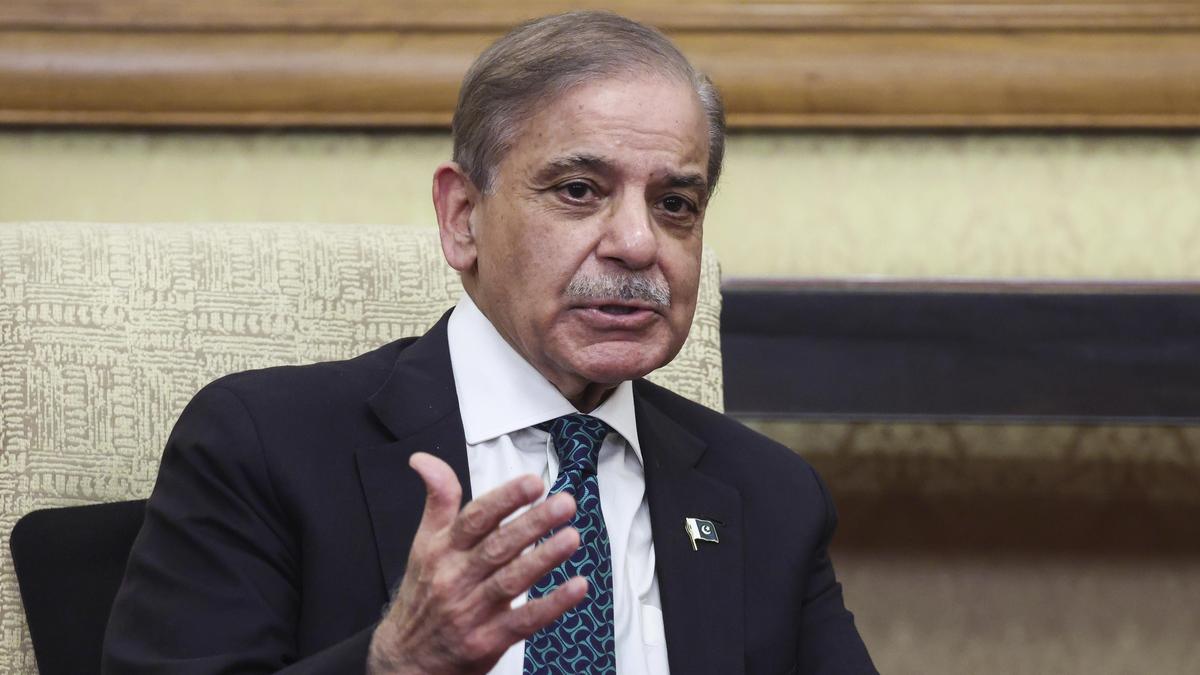
Pakistan’s political leadership has taken a firm stand ahead of the T20 World Cup, turning a cricket fixture into a major international talking point. Pakistan Prime Minister Shehbaz Sharif has openly supported the decision to boycott Pakistan’s high-profile match against India, citing political and security considerations linked to recent developments in the region.
The move comes in the backdrop of Bangladesh’s withdrawal from the tournament. Bangladesh stepped away after raising serious security concerns, prompting fresh debates within the International Cricket Council and participating nations. In solidarity with Bangladesh, Pakistan’s government believes playing the India match would send the wrong signal at this moment.
Scotland Steps In After Bangladesh Exit
Following Bangladesh’s exit, the ICC acted quickly to maintain the tournament structure. Scotland replaced Bangladesh, ensuring the competition schedule remained intact. The council stressed that team participation remains vital for the credibility and smooth conduct of the T20 World Cup.
Meanwhile, Pakistan’s decision not to face India has created unease within cricketing circles. Although Scotland’s inclusion resolved one gap, uncertainty still surrounds the marquee India-Pakistan clash.
Government Draws a Clear Line
Shehbaz Sharif clarified that the boycott decision came after careful internal discussions. According to the government, sports should not become a platform for political pressure. Therefore, Pakistan chose to stay away from the India fixture rather than compromise its stance.
Officials insist that the decision reflects national policy, not the wishes of cricket administrators alone. As a result, the Pakistan Cricket Board must follow government guidance throughout the tournament.
ICC Issues Strong Warning
At the same time, the ICC has reportedly warned the Pakistan Cricket Board about serious consequences if the team fails to appear for the India match. Such a move could affect Pakistan’s future participation, revenues, and standing in global cricket. This warning has intensified pressure on the board, placing it between government directives and international obligations.
Pakistan Focuses on Colombo Matches
Despite the controversy, Pakistan has already arrived in Colombo for its remaining preliminary games. The team begins its campaign against the Netherlands, aiming to keep its World Cup hopes alive on the field.
For now, cricket continues, but the shadow of politics looms large. Whether diplomacy or defiance prevails could shape not just this tournament, but Pakistan’s cricketing future as well.