
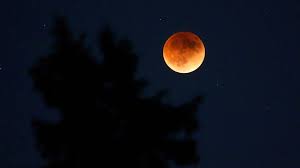
A partial lunar eclipse, influenced by Ketu, is set to occur on Tuesday, March 3, 2026. Taking place during Phalguna Shuddha Purnima in Simha Rashi (Leo) and Pubba Nakshatra, this eclipse will last 3 hours and 27 minutes, starting at 3:21 PM and ending at 6:48 PM. In India, it will be visible for approximately 25 to 40 minutes, especially in the Northeast regions, since the eclipse coincides with moonrise, earning it the name “Grastodaya Chandragrahanam.”
Timings and Visibility
The eclipse begins in the afternoon and gradually moves toward moonrise in India. While most regions will catch only a partial view, northeastern states will have clearer visibility. Observers are advised to check local timings for the exact moonrise in their area.
Guidelines and Precautions
Traditional rules suggest avoiding food during the eclipse period and completing meals before 12:00 PM. Store pickles and grains with Darbha grass for protection. People should take baths before and after the eclipse for ritual purification. Pregnant women are advised to stay indoors, and individuals under the Simha Rashi should avoid directly observing the moon.
Astrological Impact and Remedies
Zodiac signs Simha (Leo), Karka (Cancer), Makara (Capricorn), and Kumbha (Aquarius) may experience stronger effects from this eclipse. Remedies include visiting temples the next day and donating rice placed on a white cloth along with a silver moon image and Dakshina Tambulam to priests. The eclipse period is also considered Punya Kaalam, ideal for chanting the Panchakshari Mantra or offering prayers to Goddess Durga.
Temple Closures
Several major temples will remain closed during the eclipse. For example, Tirumala Tirupati Devasthanam (TTD) announced that the Srivari temple will close from 9:00 AM to 7:30 PM, reopening only after purification rituals are completed. Devotees are encouraged to plan their visits accordingly.
This partial lunar eclipse offers both spiritual significance and astrological guidance. By following traditional precautions and remedies, devotees can safely observe the phenomenon while gaining the auspicious benefits associated with Ketu-affected lunar eclipses.
For the latest updates, click here.