
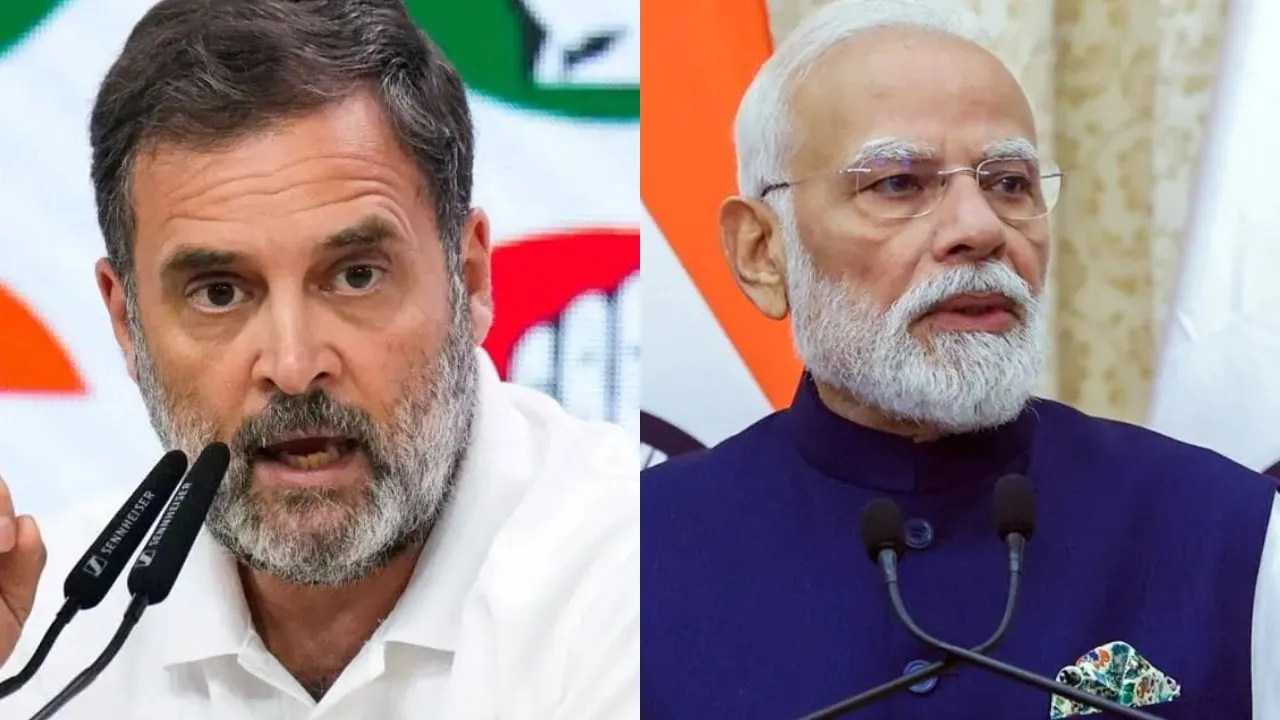
Congress leader Rahul Gandhi launched a sharp attack on the proposed India–United States trade agreement, alleging that the deal would weaken the Indian economy and hurt key domestic sectors. Speaking in Delhi, Gandhi claimed that the Centre has prioritised the interests of a few “corporate friends” over the welfare of the nation. He described the agreement as a “surrender” to American pressure and demanded full transparency from the government.
Gandhi warned that lower import duties on American goods could trigger the collapse of small and medium-sized industries across India. According to him, local manufacturers cannot compete with cheaper imports from the U.S., especially when those products benefit from scale and subsidies. As a result, he said, thousands of businesses may shut down, pushing unemployment levels higher. He argued that India’s MSME sector forms the backbone of the economy and deserves protection.
Moreover, Gandhi raised serious concerns about the impact on agriculture. He stated that the deal could allow subsidised U.S. dairy products such as milk, cheese, and butter, along with poultry items, to enter Indian markets. Because American farmers receive heavy subsidies, Indian farmers may struggle to match prices. Gandhi cautioned that such competition could devastate rural livelihoods and weaken cooperative giants like Amul. He insisted that millions of small farmers depend on a fair domestic market to survive.
In addition, Gandhi flagged issues related to data sovereignty and national security. He criticised provisions that reportedly give U.S. companies easier access to digital data generated by Indian users. If companies store sensitive data on foreign servers, he argued, it could expose India to security vulnerabilities. Therefore, he urged the government to clarify how it plans to safeguard citizens’ information.
Gandhi also expressed concern about rising healthcare costs. He claimed that pressure from American pharmaceutical firms to tighten intellectual property rights might reduce the availability of affordable generic medicines in India. Consequently, common citizens could face higher medical expenses, especially those who rely on low-cost treatments.
Furthermore, the Congress leader accused the government of promoting crony capitalism. He alleged that the agreement benefits large multinational corporations and business groups close to the Prime Minister rather than ordinary Indians. According to him, any trade pact must protect national interests first.
Rahul Gandhi has demanded that the government disclose the complete details of the India-US trade deal. He also called for a comprehensive debate in Parliament so that elected representatives can examine its long-term consequences.
For the latest updates, click here.