
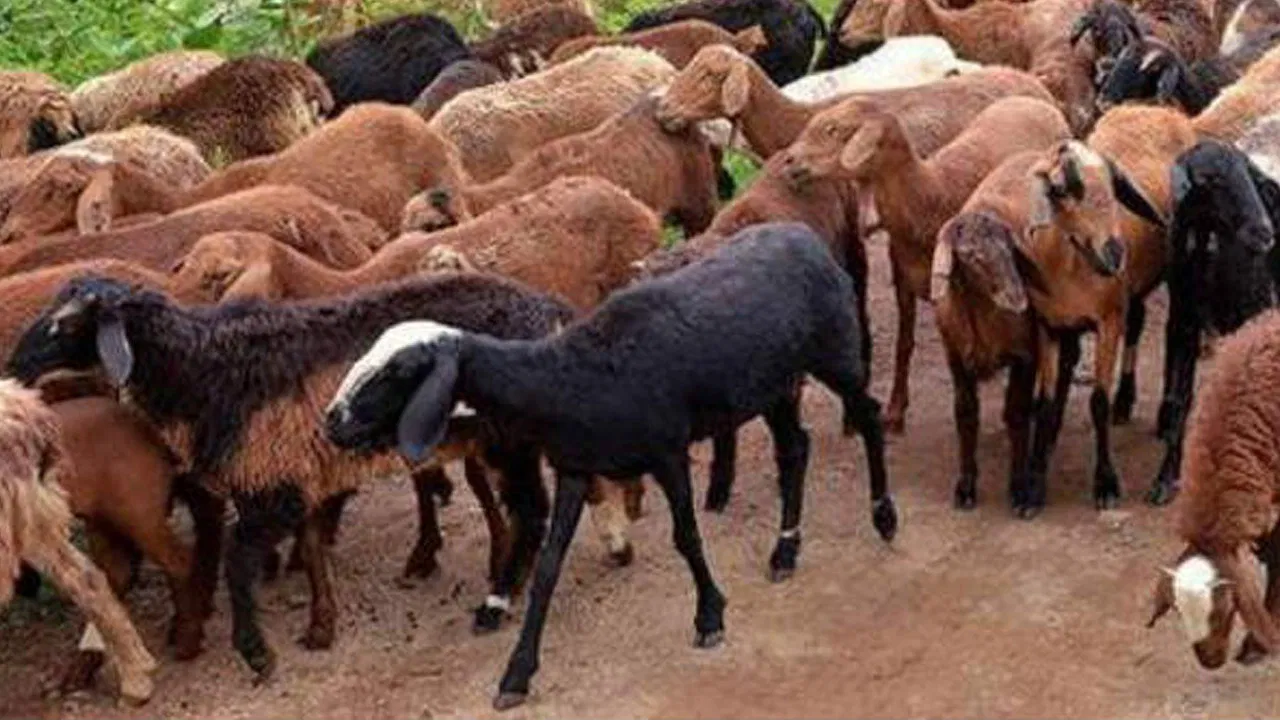
An alarming incident reported from Medchal district has exposed how the greed for money is pushing people toward extreme cruelty. Police have busted a gang that was illegally torturing sheep and extracting their blood, falsely promoting it as a miracle substance with multiple uses. The case has raised serious questions about animal welfare, public safety, and widespread misinformation.
Illegal blood extraction racket exposed
According to police, the accused collected sheep blood without following any medical or veterinary rules. They injected sheep without anesthesia, causing severe pain and stress. In many cases, the animals died within one or two days. During a joint raid by police and media personnel, authorities seized around 180 packets of illegally collected blood. They arrested a mutton shop owner and a fake veterinary doctor and registered a case against them. Investigators are now probing how long the racket had been running and where the blood was being supplied.
What is sheep blood actually used for?
Experts clarify that sheep blood does have legitimate medical uses, but only under strict scientific and ethical standards. In medical microbiology, laboratories use sheep blood in the blood agar test. This test helps doctors study how bacteria destroy red blood cells, which in turn helps identify infections and choose the right antibiotics.
Role of sheep blood in antivenom production
Sheep blood also plays a role in the production of antivenom, but not in the way the accused claimed. Pharmacologist and professor Dr. Mujeeb explained that antivenom production follows a highly regulated scientific process. Doctors inject sheep with very small, controlled doses of snake venom. The sheep’s strong immune system then produces antibodies against the venom. Scientists later collect the blood under strict veterinary supervision, separate the plasma, and purify the antibodies to prepare antivenom. This antivenom saves the lives of snakebite victims.
Strict rules cannot be ignored
Experts stress that blood collection must always follow biosafety and animal welfare norms. Authorities must collect blood humanely, store it at controlled cold temperatures, and transport it in properly labeled containers. Any violation of these rules not only harms animals but also poses serious health risks to humans.
The Medchal incident highlights the dangers of misinformation and illegal practices. Officials urge the public not to believe false claims and to report such activities immediately, as sheep blood is not a magic cure but a sensitive medical resource that demands strict regulation.