
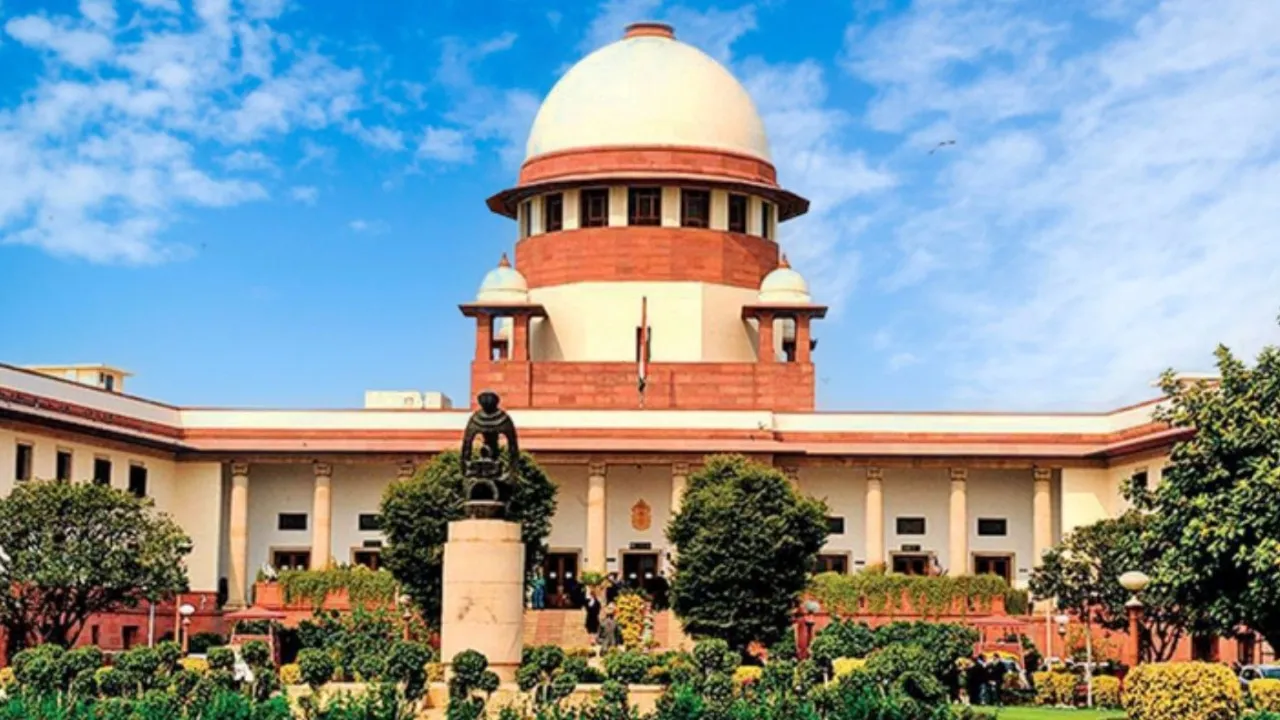
The Supreme Court of India has strongly criticised the “freebie culture” prevalent among state governments, especially the practice of announcing free schemes just before elections. The court expressed concern over the timing of such announcements and highlighted that these policies could hamper India’s long-term development.
During a recent hearing, Chief Justice of India Surya Kant led the bench in reviewing a petition against the Tamil Nadu government. The petition challenged the DMK government’s plan to provide free electricity to all residents, regardless of their economic status. The court questioned whether offering such benefits to those who can afford them qualifies as “appeasement politics.”
The bench emphasised the economic impact of these freebies, noting that many states are already facing rising fiscal deficits. It warned that continuing this trend could drain funds meant for essential infrastructure and development projects. According to the court, the issue extends beyond Tamil Nadu and affects several states across India.
Instead of distributing free goods like food, electricity, or bicycles, the Supreme Court suggested that state governments focus on generating employment opportunities. Such initiatives would support sustainable growth and ensure proper allocation of public funds.
In response to the petition, the Supreme Court has issued a notice to the Central Government to investigate the wider impact of these free schemes. The court’s observations have sparked debate about the balance between welfare measures and responsible governance.
For the latest updates, click here.