
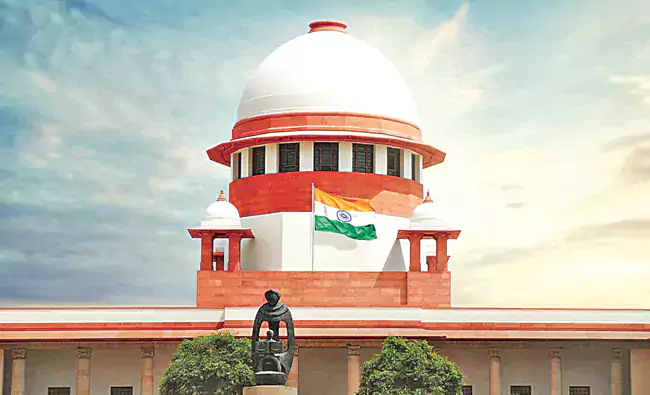
The Supreme Court of India dealt a major setback to former MP Subramanyaswami in the Tirumala adulterated ghee case. He had challenged the Andhra Pradesh government’s decision to appoint a one-member commission. After reviewing the petition, the court dismissed it. The judges clarified that the committee’s role is to examine administrative lapses and will not interfere with the ongoing SIT investigation.
Petition Challenges Government Panel
Subramanyaswami filed a writ petition after the state cabinet, on February 3, 2026, decided to set up a special commission. He questioned whether the government could appoint a panel while a Supreme Court-appointed SIT was already probing the case. He also argued that the new commission could overlap with the SIT and challenged its legitimacy.
Supreme Court Upholds AP Government’s Authority
The court rejected Subramanyaswami’s claims, emphasising that the state government has the power to form committees for administrative oversight. Furthermore, the judges noted that the commission exists solely to identify procedural lapses and hold officials accountable. Arguments regarding political statements by leaders were dismissed as irrelevant to the case.
Commission and SIT to Continue Investigations
Following the verdict, the one-member commission can proceed with its work. Meanwhile, the SIT will continue its independent investigation. Together, both bodies will ensure a thorough review of the Tirumala ghee supply issue. Officials stated that the commission will examine failures, assign responsibility, and submit a detailed report to the government.
Ensuring Transparency and Accountability
This ruling reinforces the government’s authority to create administrative and investigatory panels. Moreover, it guarantees that oversight mechanisms function without disruption. Consequently, both the SIT and the state-appointed commission can operate simultaneously, enhancing transparency and efficiency in the Tirumala ghee supply controversy.
For the latest updates, click here.