
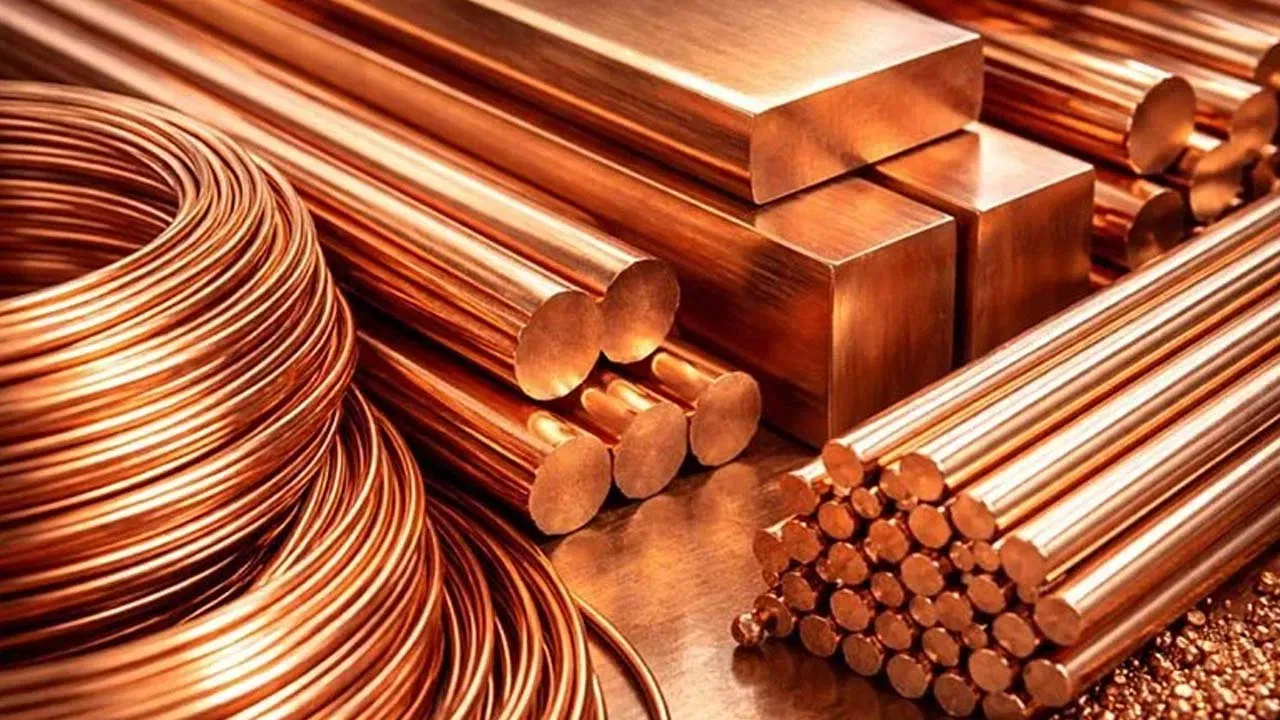
Copper, often called “Red Gold,” is rapidly emerging as one of the most critical resources in the global economy. Once associated mainly with kitchenware and electrical wiring, copper is now essential for advanced fighter jets, electric vehicles, and renewable energy systems such as solar and wind power plants.
As the world accelerates its shift toward clean energy and digital infrastructure, copper demand is soaring. In many ways, this industrial metal is beginning to rival gold in strategic importance.
Why Copper Is More Valuable Than Ever
Copper is a superior conductor of electricity and heat. That makes it indispensable for:
Renewable energy systems
Electric vehicles (EVs)
Power grids and battery storage
Aerospace and defence technology
Data centres and telecommunications
Unlike gold, which is primarily a store of value, copper drives the global economy’s physical infrastructure. As green energy projects expand, the race to secure copper supplies is intensifying.
Top 7 Copper-Producing Countries in 2025
Global copper production in 2025 reveals shifting power dynamics, with African nations rising and traditional leaders facing new competition.
1. Chile – The Undisputed Leader
Chile remains the world’s largest copper producer, generating 5.3 million metric tons, accounting for 23% of global output.
The country’s dominance is largely driven by the Escondida mine, the largest copper mine in the world. Chile’s mining infrastructure and reserves continue to anchor global supply chains.
2. Democratic Republic of the Congo – Rapid Growth Powerhouse
The Democratic Republic of the Congo has witnessed remarkable growth, climbing to second place with 3.3 million metric tons, or 11% of global production.
Congo’s rise signals Africa’s growing influence in the global metals market. Its expanding mining sector could reshape future supply dynamics.
3. Peru – Facing Operational Challenges
Peru now ranks third with 2.6 million metric tons of production.
Maintenance issues at the Cerro Verde mine have impacted output, contributing to Peru’s slight decline in global ranking.
4. China – The Refining Giant
Although China ranks fourth in raw copper production at 1.8 million metric tons, it dominates the refined copper market with a massive 44% global share.
China also holds the world’s largest copper reserves — approximately 190 million metric tons — giving it substantial leverage in global supply chains.
5. Indonesia – Rising Through Strategic Assets
Indonesia has climbed to fifth place, producing 1.1 million metric tons.
Its performance is largely supported by the Grasberg mine, one of the world’s most significant mining complexes.
6. United States – Production Under Pressure
The United States produced 1.1 million metric tons in 2024, reflecting a gradual decline.
Notably, Arizona accounts for about 70% of total U.S. copper production, highlighting geographic concentration risks within the country.
7. Russia – Targeting Expansion
Russia produced approximately 930,000 metric tons and plans to expand output by 2028.
Growth is expected to be driven by the Udokan mine, a major project in Siberia aimed at boosting national production.
The Green Energy Boom and Copper’s Future
As countries invest heavily in solar farms, wind parks, EV infrastructure, and smart grids, copper demand is projected to surge significantly.
Renewable energy systems require far more copper than traditional fossil-fuel power plants. Electric vehicles, for example, use several times more copper than internal combustion engine cars.
This structural demand shift could:
Push copper prices higher
Increase geopolitical competition for mining assets
Elevate African producers like Congo
Challenge Chile’s long-standing dominance
Conclusion: The Metal Powering the Energy Transition
Copper is no longer just an industrial commodity — it is a strategic resource shaping the future of energy, defense, and technology.
As the global economy pivots toward sustainability, “Red Gold” may become even more valuable than traditional precious metals. With rising demand and shifting production powerhouses, the copper market is entering a transformative era that could redefine global trade and geopolitics.
For the latest updates, click here.