
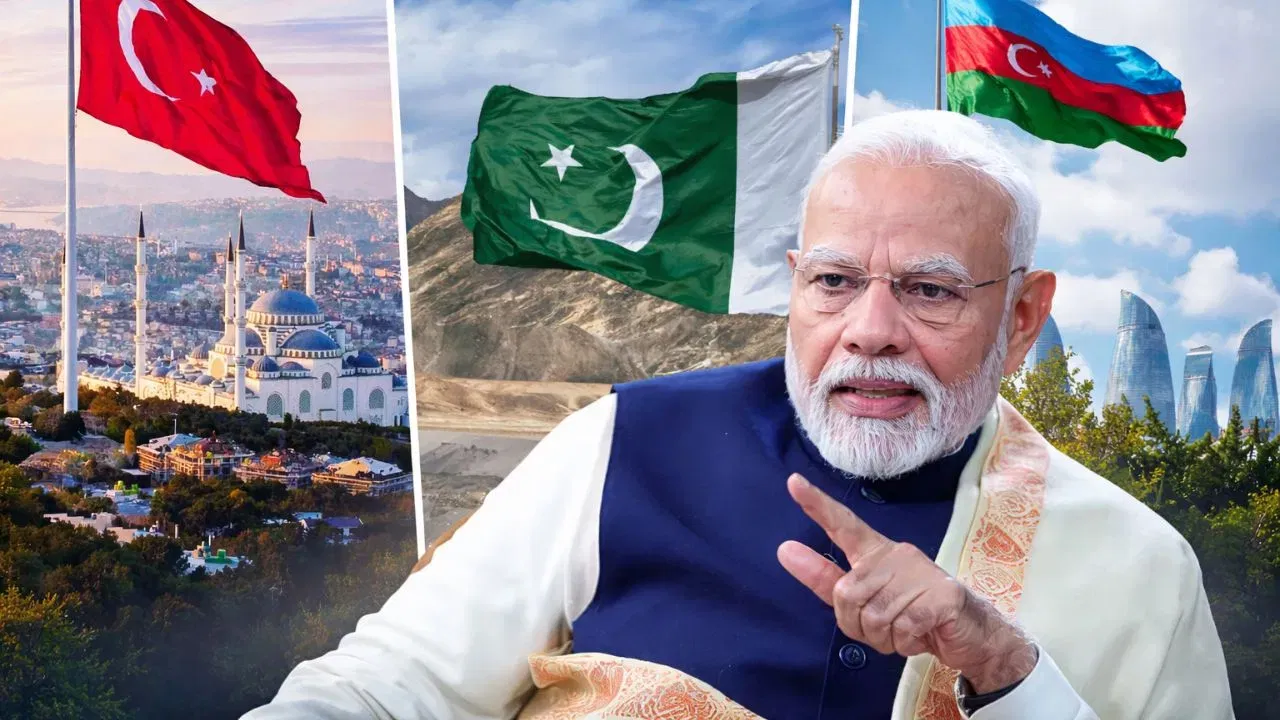
India’s strong military response following the Pahalgam terror attack has triggered ripple effects far beyond the region. After the attack, India launched Operation Sindoor, a decisive counter-terror mission that neutralised more than 100 terrorists operating across Pakistan-occupied Kashmir and other locations inside Pakistan. While the operation drew global attention, the diplomatic choices made during this period have now begun to show visible economic consequences.
Turkey and Azerbaijan openly extended support to Pakistan during the heightened tensions. This stance, however, sparked widespread public backlash in India. As a result, Indian citizens responded not through official sanctions but through personal and collective economic decisions, especially in the travel and tourism sector.
The impact became evident within months.
Sharp Decline in Indian Tourism
Indian tourists had long formed a significant portion of inbound travel to both Turkey and Azerbaijan. Popular for leisure, weddings, and business travel, these destinations relied heavily on visitors from India. However, following their geopolitical positioning, Indian travellers largely stopped visiting both countries.
Flights that were once fully booked began flying with empty seats. Hotels that catered heavily to Indian tourists reported cancellations and low occupancy. Travel agencies also removed Turkey and Azerbaijan from preferred international packages, accelerating the decline.
Between June and December, the numbers reflected the growing economic pressure.
Azerbaijan witnessed the steepest fall. Indian tourist arrivals dropped by 63 per cent, falling from nearly 153,000 visitors in the previous year’s period to just 57,000. The sudden decline disrupted local tourism revenue, especially in the hospitality and aviation sectors.
Turkey also faced a major setback. Indian tourist arrivals declined by 34 per cent, with visitor numbers sliding from 205,000 to 135,000 during the same period. Cities that once saw steady Indian footfall experienced noticeable slowdowns, impacting local businesses and employment.
Economic Cost of Political Choices
This tourism collapse highlights how geopolitical positions can directly influence economic stability. Indian travellers, without any official directive, chose to express disapproval through consumer behaviour. Their absence created an immediate financial vacuum that neither country could easily offset.
At the same time, the situation underlined India’s growing global economic influence. Decisions made by Indian citizens alone proved powerful enough to affect national tourism statistics abroad.
As both Turkey and Azerbaijan assess the long-term implications, the episode stands as a reminder that international stances carry real economic consequences. In today’s interconnected world, diplomacy and public sentiment often move markets faster than formal policy.
For the latest updates, click here.