
Jai Shri Krishna.
Understanding the Essence of the Soul (Atma Tattva)
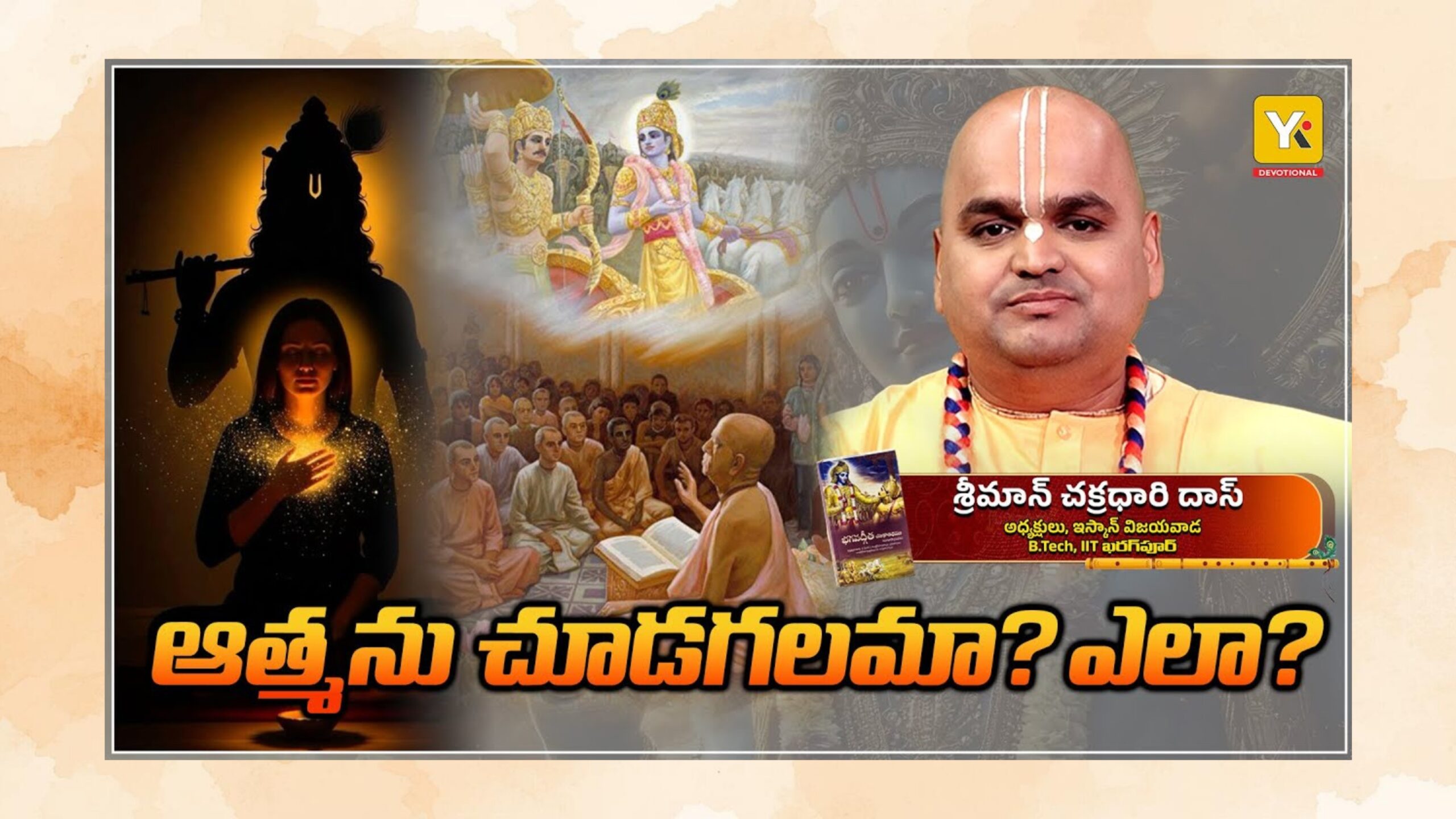
In the sacred teachings of the Bhagavad Gita, especially in the second chapter, Lord Krishna reveals the timeless truth of Atma Tattva—the science of the soul. This wisdom is not meant only for philosophers or saints; it is the foundation for anyone seeking peace, balance, and true fulfilment in life. By understanding the soul, one begins to see life beyond temporary pleasures and pains.
The Soul and the Body: A Divine Wardrobe
Lord Krishna explains the relationship between the soul and the body through a simple yet profound analogy. Just as a person discards worn-out clothes and wears new ones, the soul gives up an unfit body and accepts another.
Our existence operates through two coverings:
The Gross Body (Sthula Shariram): Made of earth, water, fire, air, and ether, this is the visible body that undergoes birth, growth, decay, and death.
The Subtle Body (Sukshma Shariram): Composed of mind, intelligence, and ego, it carries our desires, impressions, and karma from one life to another.
The soul itself remains eternal, untouched by these changes.
The Logic of Reincarnation
Many find it difficult to accept punarjanma (rebirth), yet Krishna presents a logical understanding. Within one lifetime, we clearly remember being a child, a youth, and later an adult, even though the body has completely changed. The observer—the soul—remains the same.
In the same way, at death, the soul continues its journey into another body. The nature of the next body is decided largely by the subtle body, shaped by thoughts, actions, habits, and desires. A life driven only by sense enjoyment may lead the soul to a body that better matches those tendencies in the next birth.
Karma: Why Some Are Born Rich and Others Poor
The principles of soul and karma explain life’s inequalities far better than chance alone. Birth in wealth or poverty is the result of accumulated punya (merits) and papa (sins) from past lives.
A person with a high “spiritual balance” may receive a comfortable life, while another may face hardship. Yet both situations are temporary, like living in rented houses. When the lease ends, every soul must leave the body, regardless of status or possessions.
The Bird and the Cage: Nourishing the Soul
Modern life often focuses only on improving the body and surroundings while ignoring the soul. This mistake is beautifully illustrated through the story of a lady and her parrot. She kept upgrading the cage—from iron to silver to gold—but forgot to feed the bird. Despite the luxurious cage, the bird died of hunger.
Similarly, we upgrade our “cages” with better homes, vehicles, and comforts, yet forget to nourish the soul. The soul does not hunger for objects; it longs for divine connection. Bhakti, service to God, remembrance, and chanting are the true nourishment that brings inner peace.
Social Harmony through Atma Tattva
Real understanding of Atma Tattva leads to universal brotherhood. Bodily identity divides us by caste, gender, race, and nationality. Spiritual vision unites us. A true pandit sees the same soul in a learned person, an animal, or even an outcast, because the indwelling soul is the same.
This realisation naturally brings:
Humility, knowing all roles are temporary costumes.
Freedom from pride and grief, as success and failure are fleeting scenes.
Compassion, seeing every being as a child of the same Supreme Father.
By recognising ourselves as the eternal soul, not the temporary body, we rise above dissatisfaction and fear. This wisdom of the Bhagavad Gita guides us toward a stable happiness that does not depend on external circumstances but flows from within.
Jai Shri Krishna.
Jai Shri Krishna….Watch the complete video “Geeta Jeevana Vidhanam” Bhagavad Gita playlist on YK TV Devotional here.