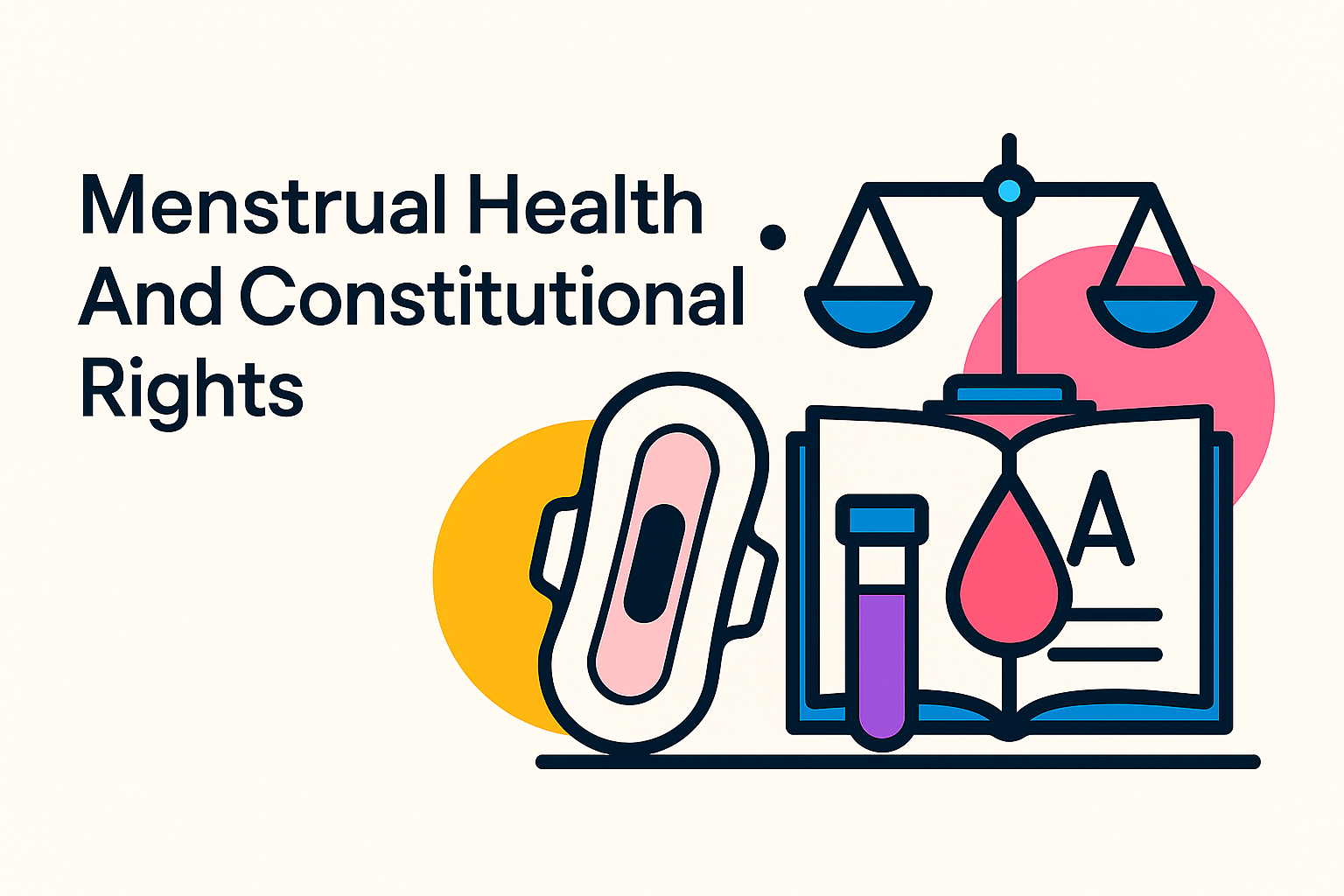
Menstruation remains a sensitive and often neglected topic in India, affecting the health, education, and dignity of millions of girls and women. The report “Dignity Denied: Menstrual Rights and Social Reform in India” highlights how stigma and systemic neglect continue to undermine menstrual health and gender equality.
Widespread Challenges
Nearly one in four young women in India lacks access to hygienic menstrual products. Coupled with inadequate facilities in schools, this leads to frequent absenteeism and contributes to high dropout rates among girls. Experts argue that poor menstrual hygiene has long-term consequences for health, education, and economic opportunities.
Legal Recognition and Progress
In a landmark ruling, the Supreme Court of India acknowledged menstrual health as part of fundamental rights. The Court emphasised that schools without proper sanitation facilities violate these rights and mandated the provision of toilets, clean water, and menstrual education for students. This decision represents a critical step in addressing systemic neglect.
Cultural Barriers and Taboos
Despite legal advancements, cultural and social taboos persist. Many mothers avoid talking about menstruation with their daughters, reinforcing shame and secrecy. Traditional practices continue to restrict participation in everyday activities, creating mental stress and limiting opportunities for young women.
Broader Consequences
The impact of menstrual stigma extends beyond hygiene concerns. Girls often miss school, which affects their learning and career prospects. Mental health challenges can arise from persistent shame and discrimination. Experts emphasise that these issues collectively hinder gender equality and social progress.
Path Forward
Government initiatives have focused on distributing sanitary products and improving infrastructure. However, experts argue that real reform requires societal attitude changes. Educating both boys and girls, encouraging open discussion, and dismantling harmful taboos are essential steps to ensure menstrual dignity and equality for all.
In conclusion, while India has made legal and policy advancements, achieving true menstrual equity requires combining education, infrastructure, and cultural reform. Only then can the country ensure that menstruation is no longer a barrier to health, education, and opportunity.
For the latest updates, click here.