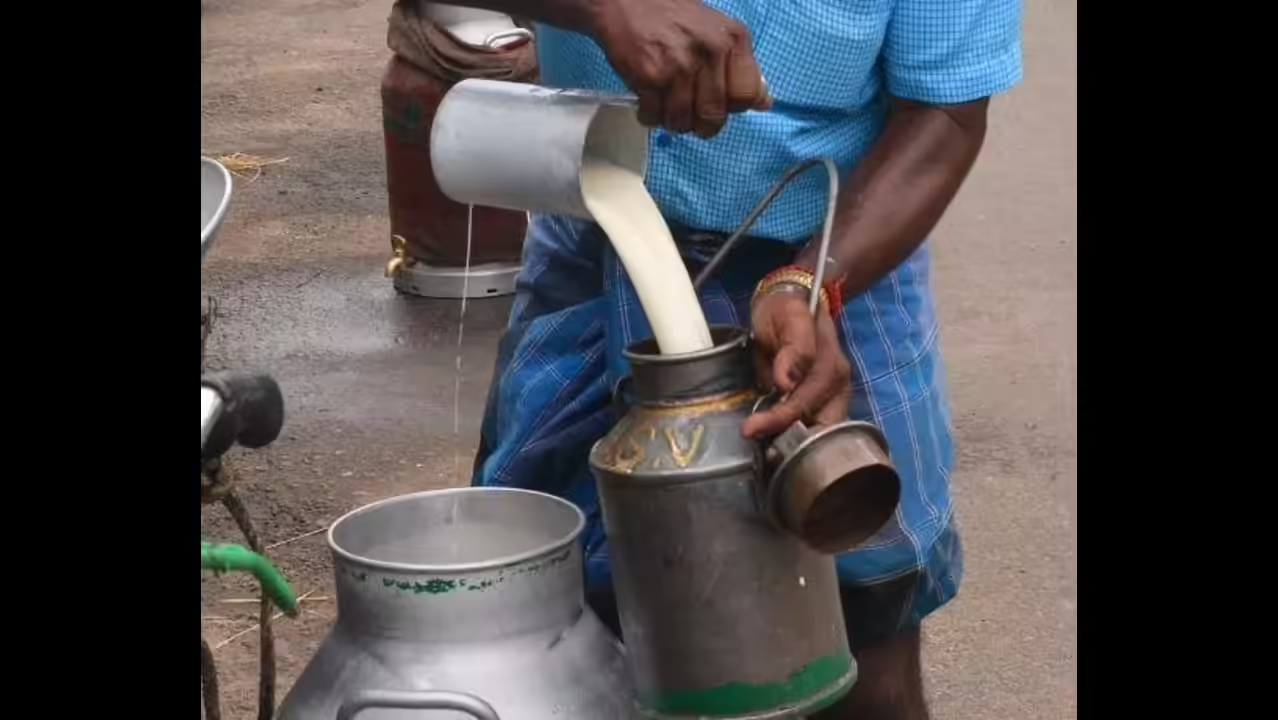
A suspected adulterated milk supply in Rajamahendravaram, located in East Godavari district, has led to multiple deaths, with elderly people and children among the worst affected. Officials confirmed that milk supplied from Varalakshmi Dairy in Narsapuram village of Korukonda mandal allegedly caused severe illness in several households. Police detained the dairy operator and launched a detailed investigation to determine the exact cause of contamination.
According to preliminary findings, the adulterated milk reached several local areas before authorities intervened. As a result, many residents developed health complications, and some victims could not survive despite medical efforts. Meanwhile, food safety teams collected samples for laboratory testing to identify the harmful substances mixed in the milk.
The state government responded swiftly after reports of rising casualties surfaced. Authorities ordered a comprehensive inquiry and assured strict punishment for those found responsible. In addition, the government announced an ex gratia payment of ₹10 lakh to the families of the deceased. It also confirmed that it would bear the full medical expenses of those currently undergoing treatment in hospitals.
Milk is widely regarded as a symbol of purity and nutrition. However, this tragic incident has shaken public confidence. Health experts consistently emphasise that milk provides essential nutrients for infants, children, and the elderly. Therefore, contamination in such a daily essential commodity raises serious public health concerns.
Furthermore, residents are now questioning the effectiveness of regulatory oversight. Many are asking whether the existing food safety monitoring systems are equipped to detect adulteration before products reach consumers. While cooperative dairy systems in the past maintained strict quality standards, the rapid growth of small private dairies has changed the landscape. Some operators, driven by profit motives, allegedly resort to unethical practices.
Reports in recent years have also flagged the use of synthetic substances and harmful chemicals such as urea in milk production. Consequently, this latest incident has intensified demands for stronger surveillance across villages, towns, and cities.
Public health advocates insist that the government must strengthen inspection mechanisms and deploy adequate food safety personnel. Ultimately, ensuring safe milk and food products remains a fundamental responsibility of the administration. Unless authorities build a robust monitoring system, such tragedies could threaten community health again.
For the latest updates, click here.