
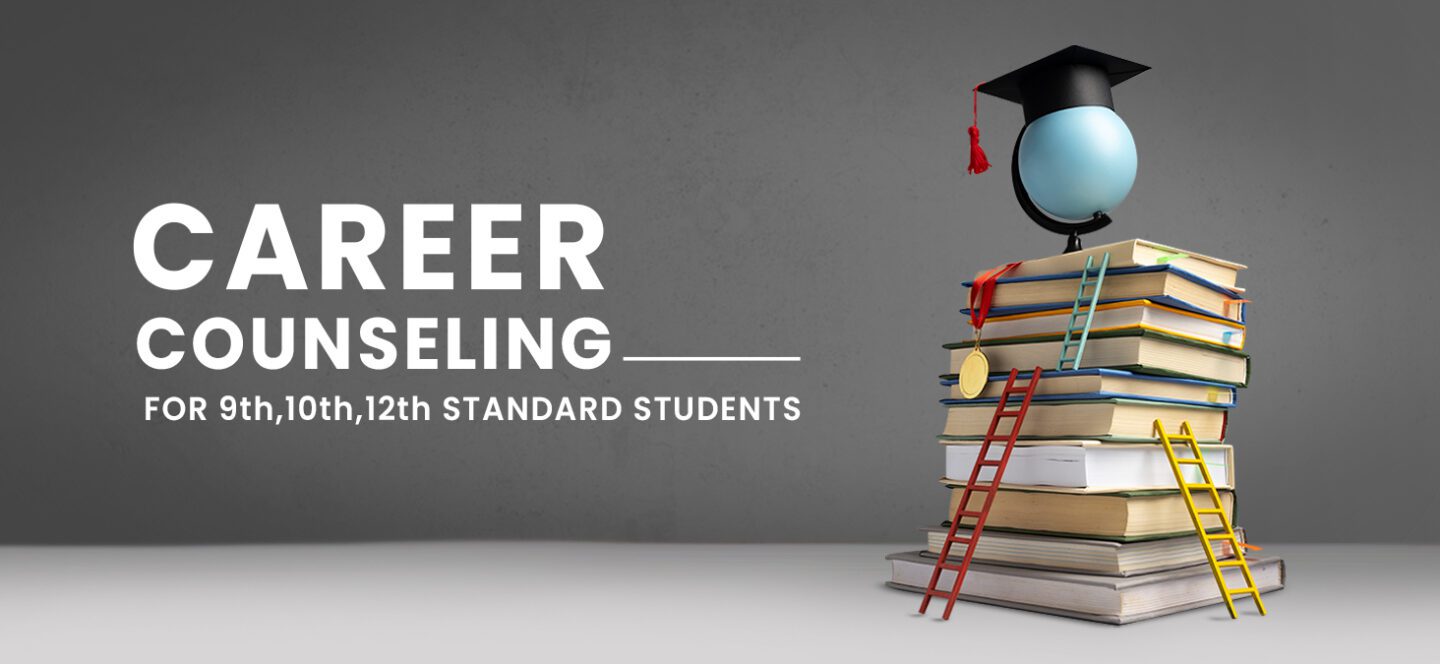
Class 10 and Class 12 are not just academic milestones; they are life-shaping stages that decide the direction of a student’s future. Education experts say that decisions taken at these two levels often influence a child’s career path, confidence, and long-term satisfaction.
Class 10: The first major decision
After completing Class 10, students must choose a stream — Science, Commerce, Arts, or vocational education. This is the first major turning point in their academic journey. However, at this age, most children are still discovering themselves. They often lack clarity about their strengths, interests, and abilities.
Experts point out that expecting a 15- or 16-year-old to independently decide their future can be unfair. Many students select streams due to peer pressure, parental expectations, or social trends rather than genuine interest or aptitude.
Class 12: The career-defining stage
The pressure increases after Class 12, when students must decide on a career path. Options such as engineering, medicine, law, design, management, humanities, creative fields, and emerging technology careers open up at this stage. This decision often determines higher education choices and professional direction.
Yet, many students still struggle with self-awareness. They may not fully understand what they enjoy, what they are good at, or what careers truly suit them.
Why career counselling becomes essential
This is where career counselling plays a critical role. Counselling helps students identify their strengths, interests, and personality traits. More importantly, it introduces them to career options beyond traditional paths like engineering and medicine.
Career counselling enables students to:
Understand what they are naturally good at
Discover their true interests
Explore multiple career opportunities
Connect education with long-term goals
Make informed decisions instead of emotional ones
Improving focus and reducing stress
A major challenge among today’s students is lack of focus. Without clarity about the future, students often lose interest in studies, develop exam anxiety, and spend excessive time on mobile phones and screens.
Career counselling provides direction. As a result, students gain clarity, which leads to better focus, reduced stress, increased confidence, and goal-oriented learning. When a child understands why they are studying and where they want to go, motivation improves naturally.
Parents play a key role
Parents have a powerful influence on career decisions. Often, with good intentions, mistakes happen. Some parents push children toward careers they could not pursue themselves or compare them with others. Many still believe that only engineering, medicine, or government jobs define success.
Career counselling does not exclude parents. Instead, it guides them. Through counselling, parents learn about their child’s unique strengths, accept individual differences, and understand modern career opportunities. When parents and counsellors work together, decisions become balanced and healthier.
Beyond engineering and medicine
Today’s world offers diverse career paths, including:
Humanities and social sciences
Commerce, finance, and business
Design, animation, gaming, and media
Data science, AI, and digital technology
Psychology, teaching, law, and public policy
Sports management and creative arts
Career counselling opens doors to these possibilities for both students and parents.
A lifelong investment
Parents often spend heavily on coaching classes and gadgets. However, a small investment in career counselling can prevent years of confusion. Proper guidance saves time, money, and emotional stress while helping students build confident and satisfying careers.
Conclusion
Career counselling is not just about choosing a job; it is about giving direction to life. When students in Class 10 and 12 receive the right guidance at the right time, fear reduces and clarity emerges. For parents, it offers reassurance that their child’s future is being built on understanding, not assumptions.
In a rapidly changing world, timely and informed guidance can truly transform a child’s life.
For more latest updates, click here.